Program in detail
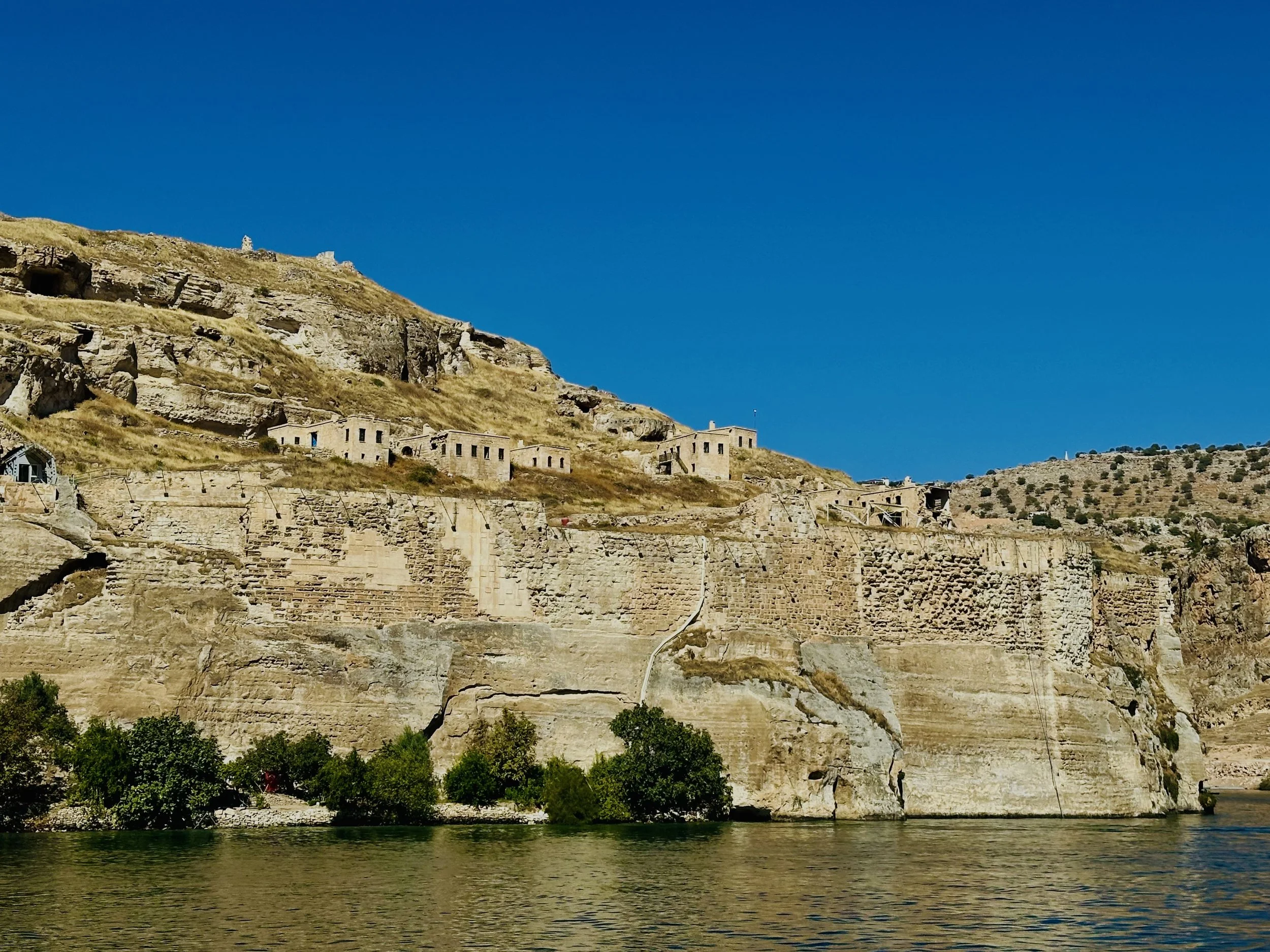
Our tour starts in İstanbul on the shores of the Haliç (Golden Horn) and ends in Gaziantep in Southeastern Türkiye with a visit to the town Halfeti, submerged after the Birecik Dam on the Euphrates River was constructed in the 1990s. Start your Türkiye travels by immersing yourself in our proposed daily program below…
Day one
Our journey begins with a welcome dinner at the Troya Hotel, located in the multicultural and historic neighbourhood of Fener nestled along the Golden Horn. Just a short walk from the Orthodox Patriarchate – the spiritual centre of Greek Orthodoxy – the hotel sits within one of Istanbul’s most remarkable cultural crossroads, alongside the city’s oldest synagogue, the striking stainless-steel Bulgarian Church, and a rich tapestry of mosques and other places of worship.
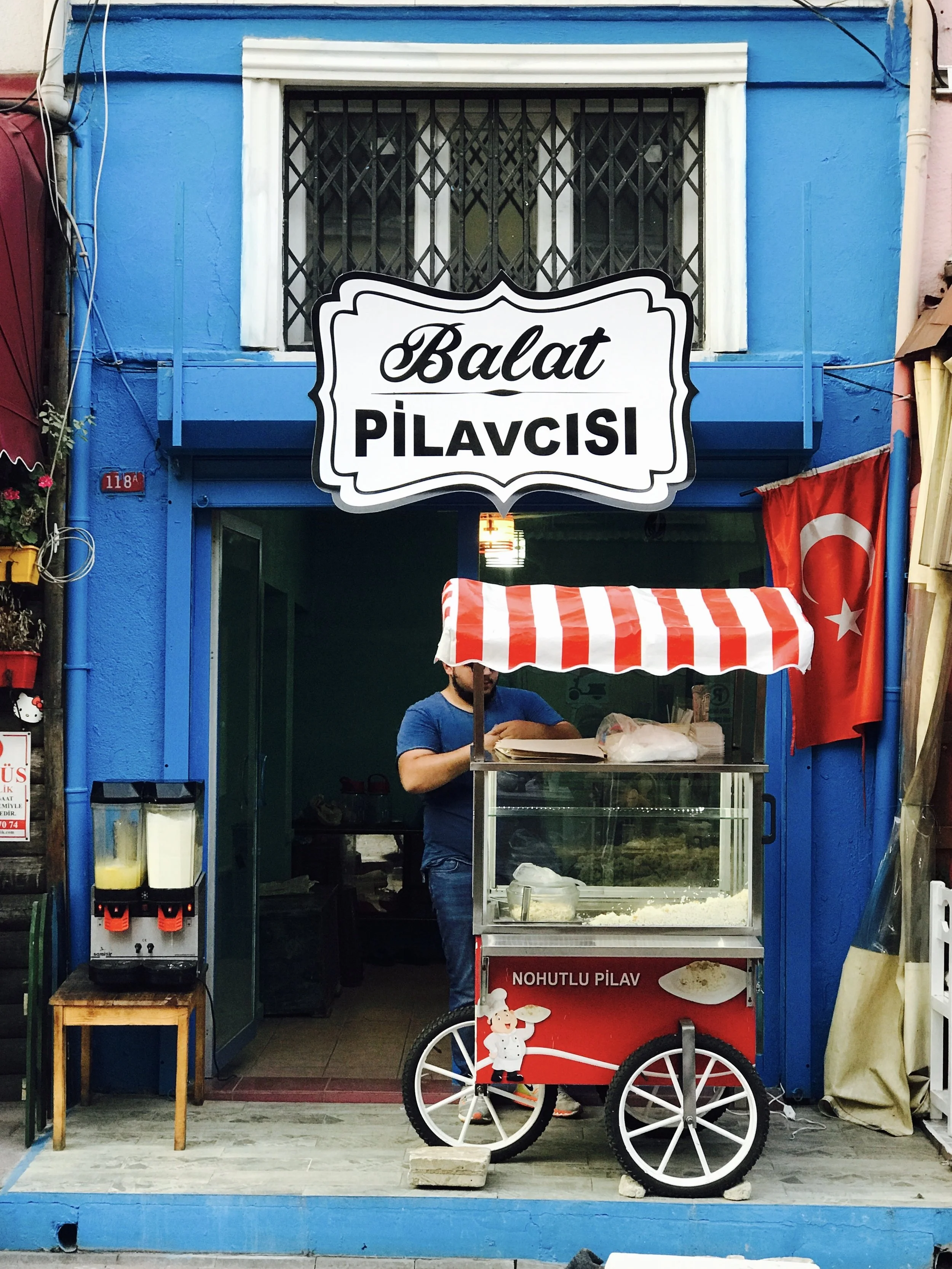
Once overlooked, Fener has undergone a vibrant revival in recent years and is now a favourite destination for both locals and international travellers, celebrated for its colourful streets, layered history and lively atmosphere. I lived in Balat, just down the street from Fener in the early 2000s and I can testify that the transformation is extraordinary.
Over a meyhane-style dinner (a tavern that serves sharing plates of hot and cold foods meant to be enjoyed with rakı [anise-flavoured liquor]), we’ll get to know one another, share the details of the journey ahead, and set the tone for an unforgettable, flavour-filled and immersive couple of weeks exploring the very best of Turkish culture and cuisine.
Accommodation: Boutique hotel in Fener
Meals: dinner
New!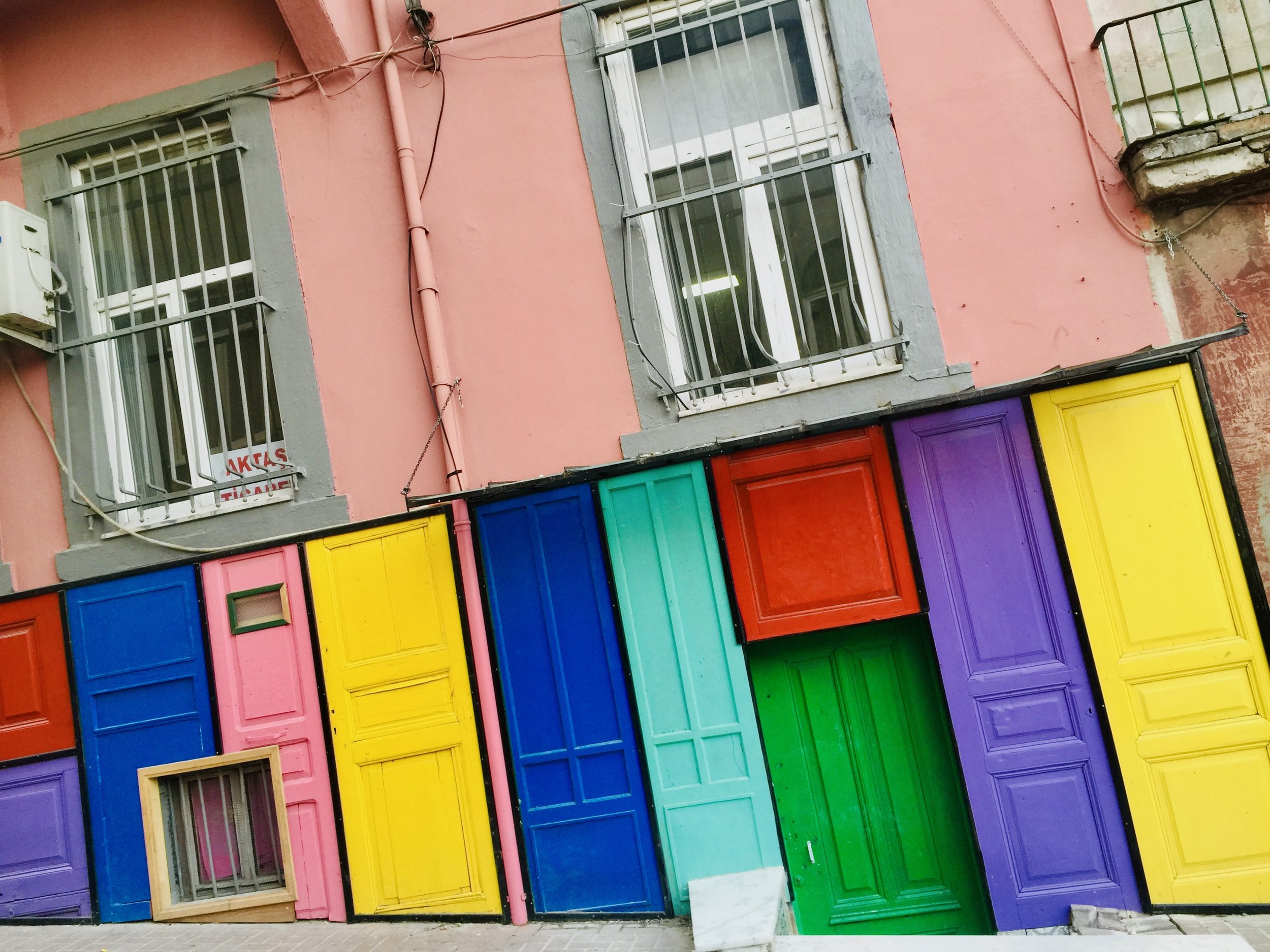
Day two
Begin your day with the irresistible sweet and savoury flavours of a traditional Turkish breakfast before hopping on the tram to the historic heart of Istanbul, Sultanahmet. Our first stop is the magnificent Topkapı Sarayı (Topkapı Palace), where we will be guided by Ottoman history expert, and close friend, Professor Özge Samancı. Together, we’ll explore the palace kitchens that once prepared meals for thousands, offering a fascinating glimpse into the culinary machinery of the Ottoman court.
From here, we’ll wander through the charming Arasta Bazaar en route to an Ottoman-inspired lunch, followed by an intimate lecture with Özge on the evolution of Ottoman and Turkish cuisine-widely celebrated as one of the world’s great culinary traditions.
In the afternoon, we’ll walk to the breathtaking Süleymaniye Camii (Süleymaniye Mosque) complex to learn about the reign of the empire’s most powerful sultan, while soaking in panoramic views over the Bosphorus and the Golden Horn. We’ll then visit the legendary Vefa Bozacısı to taste boza, a traditional fermented millet drink, and see the range of sour syrups and vinegars that are part of Turkish cuisine including the now globally known nar ekşisi (pomegranate syrup).
Our journey continues past the ancient Roman Aqueduct of Valens, built in the 4th century, before arriving at Kadınlar Pazarı – the vibrant women’s market filled with produce from Türkiye’s Black Sea region. We’ll stroll past precarious displays of cheeses, dried and fresh, olives, and dried fish and artisanal breads on our way to our final destination: the beautifully restored Zeyrek Çinli Hamam Müzesi (Zeyrek Tiled Hamam Museum). Here, we’ll learn about the rituals and history of the Turkish bath before ending the day with a deeply relaxing and indulgent hamam experience.
We’ll then return to the atmospheric neighbourhood of Fener, where you’re free to wander the colourful streets and choose a local restaurant for dinner at your leisure-the perfect way to end a day immersed in Istanbul’s history, culture and cuisine.
Accommodation: Boutique hotel in Fener
Meals: breakfast, lunch, tastings throughout the day
New!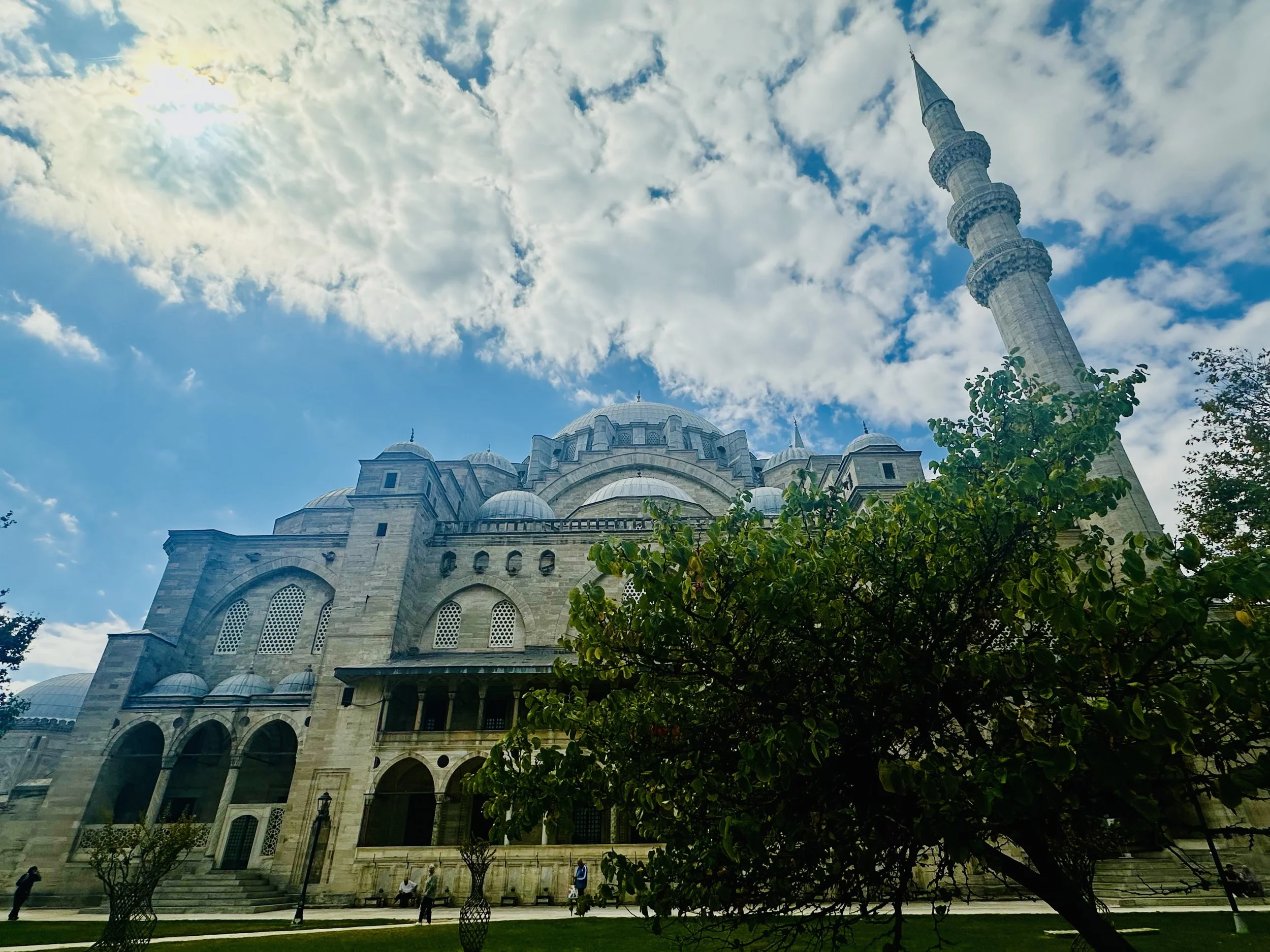
Day three
After another delicious breakfast sampling iconic Turkish favourites, we’ll begin the day with a leisurely stroll through the atmospheric streets of Fener and Balat, where artisans and local vendors continue time-honoured crafts from tiny, character-filled workshops.
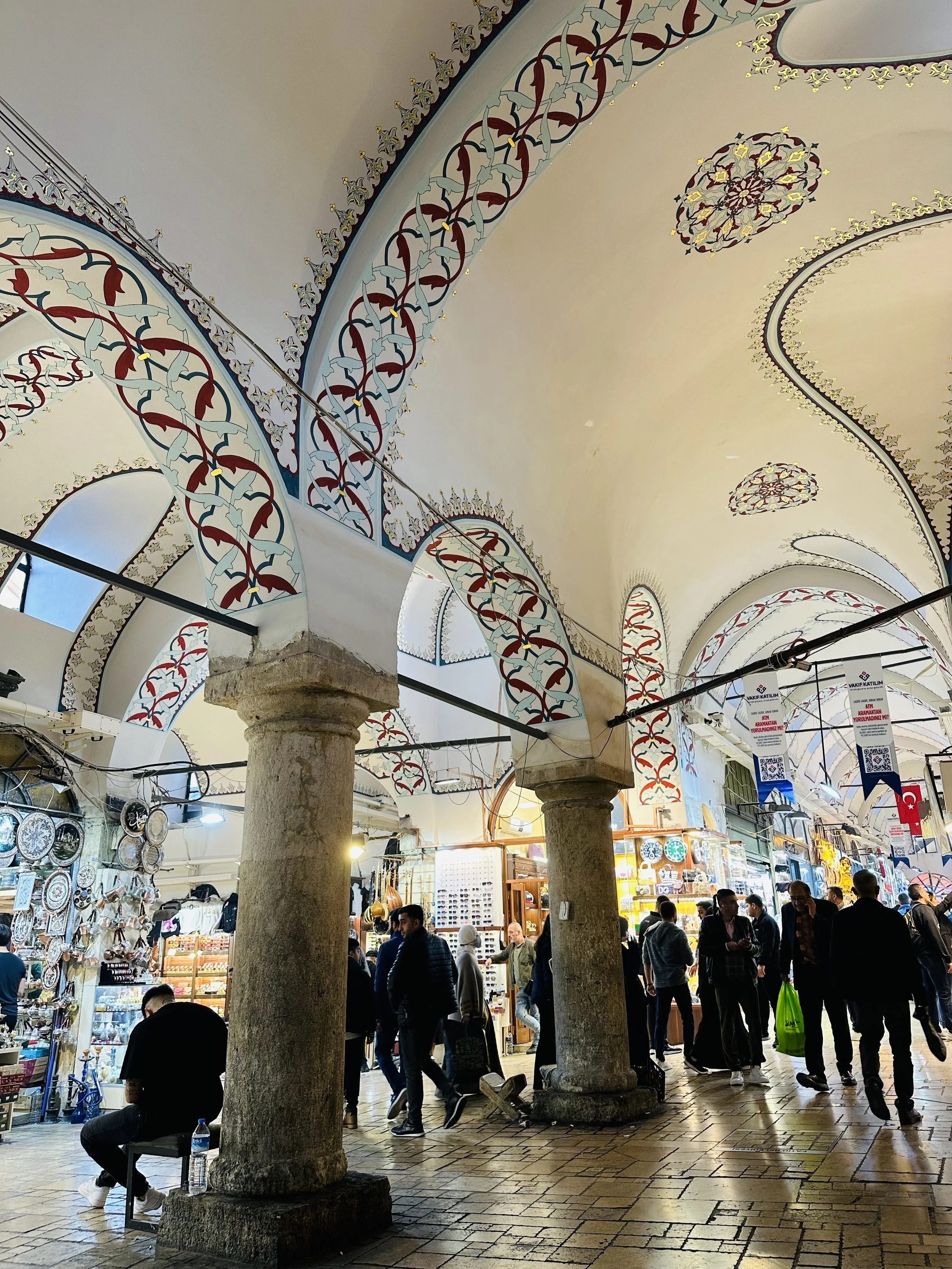
We’ll then take the tram back to Istanbul’s historic centre and wander through the famous Kapalı Çarşı (Grand Bazaar), before making our way to one of the city’s most enchanting hidden gems-the Rüstem Paşa Camii (Rüstem Paşa Mosque). Tucked away above the bustling ‘wicker street’, this intimate mosque is famed for its exquisite İznik tiles and brilliant blue interior, while the street below still specialises in traditional wicker and wooden goods.
As we continue towards the Mısır Çarşısı (Egyptian or Spice Bazaar) we’ll stop in at local delicatessens to sample pastırma (spiced cured beef), and again marvel at range of Turkish cheeses and olives, tomato and red pepper pastes and sauces. We’ll cross the lane to the beautifully restored Beta Yeni Han – an historic trading hall – and the iconic Mehmet Efendi Kahvecisi, where the scent of freshly ground Turkish coffee fills the air and queues often spill down the street.
After time to soak up the vibrant colours and intoxicating aromas of the Spice Bazaar, where we will spot fake from real saffron, we’ll visit Istanbul’s oldest lokum (Turkish delight) shop, Hacı Bekir, established in 1777. From there, we’ll pass the majestic Yeni Camii (New Mosque) before heading towards the lively Eminönü ferry terminals and crossing the Galata Bridge.
Our next stop is Güllüoğlu Baklavacısı in Karaköy, where we’ll discover the delicate art of rolling pastry into impossibly thin, transparent layers before it’s transformed into a dazzling array of baklava – and yes, tastings are very much included.
We’ll then take a short ride on the historic Tünel, the world’s second-oldest underground railway, climbing from Karaköy up to Beyoğlu and İstiklal Caddesi (Independence Street), a 1.5-kilometre pedestrian boulevard brimming with architectural landmarks, cultural icons and gastronomic treasures.
The afternoon is spent exploring the vibrant front and back streets of Beyoğlu-visiting mosques and churches, independent bookshops, famous coffee and dessert houses for chicken breast and other puddings, hidden arcades and lively markets selling everything from artisanal pickles and jams to marzipan, tarama for taramasalata, cured fish, and böreks of all kinds.
We’ll continue towards the famous Galata Tower, where cobbled streets are lined with music shops and eclectic vendors. Dinner is at your leisure and depending on your appetite after a day of indulgence, you might choose a classic fish sandwich with pickles by the Golden Horn, or a spread of mezze at a traditional meyhane – a perfect way to end another unforgettable day in Istanbul.
Accommodation: Boutique hotel in Fener
Meals: breakfast, lots of tastings throughout the day
New!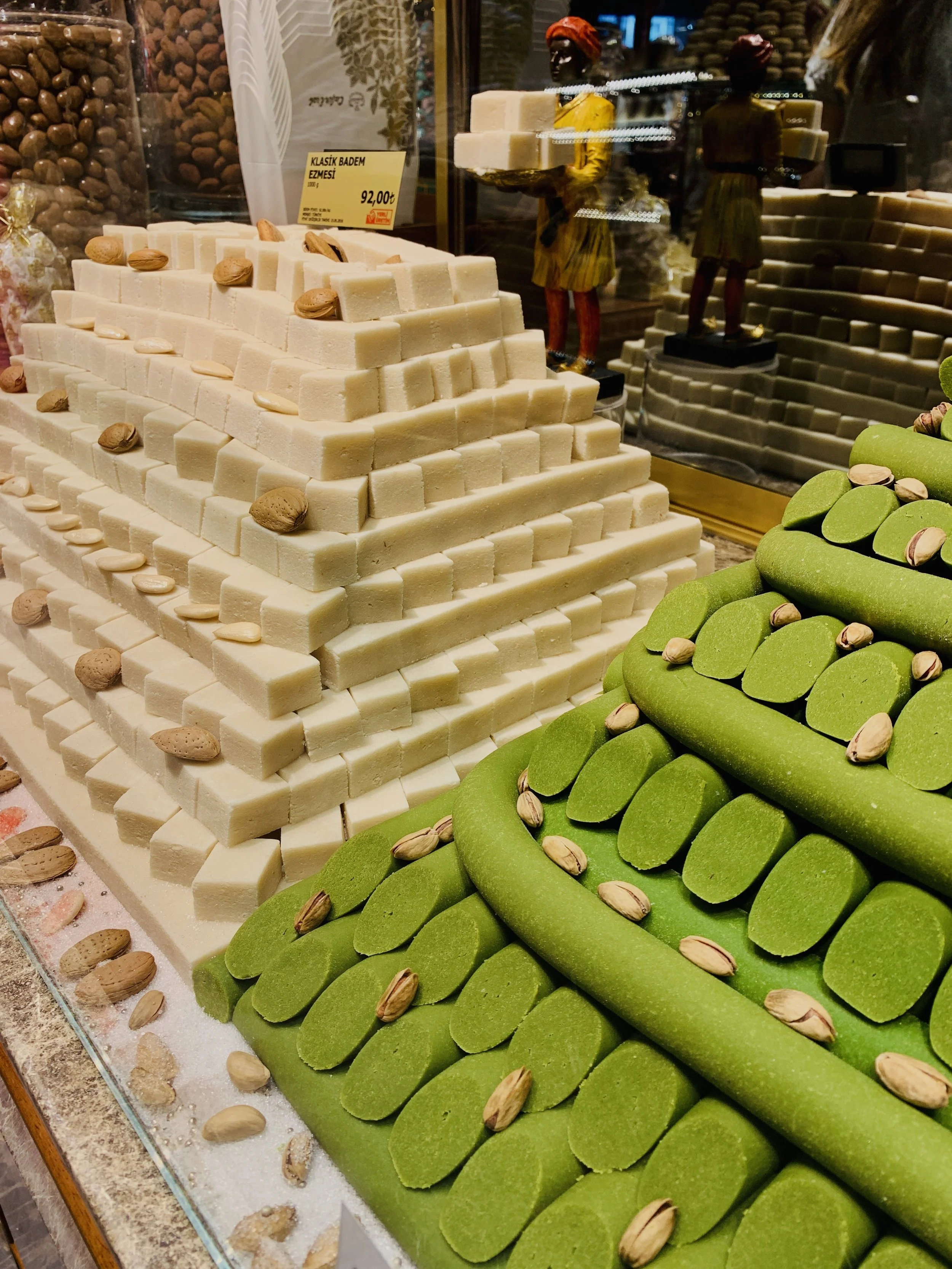
Day four
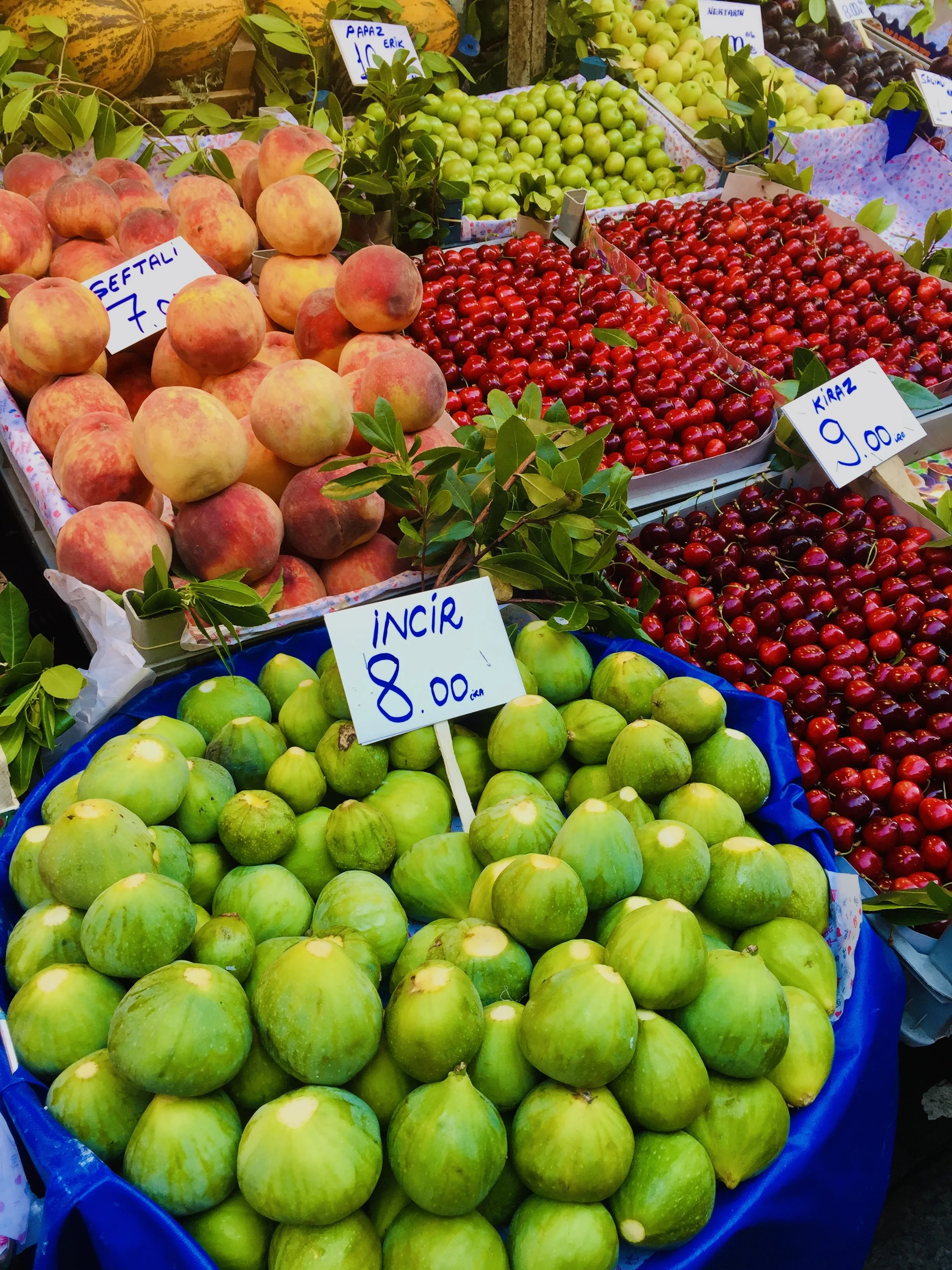
After another exceptional breakfast spread, we’ll check out of the hotel and travel by tram and ferry to Istanbul’s vibrant Asian side, arriving in the lively neighbourhood of Kadıköy. We’ll wander through one of the city’s most picturesque and beautifully preserved permanent markets before making our way to Çiya, where we’ll spend time with the internationally acclaimed chef and culinary visionary, Musa Dağdeviren.
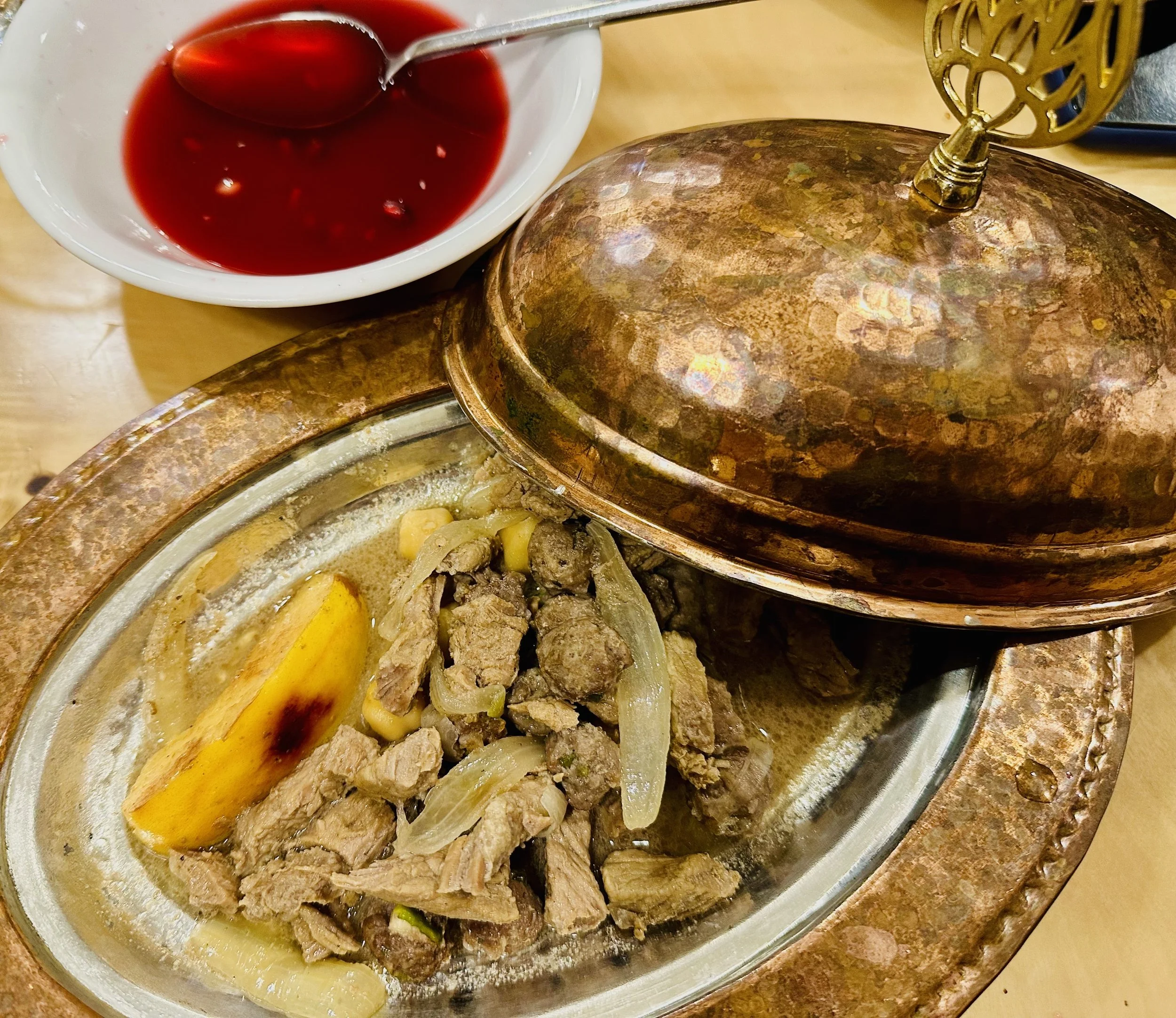
With decades of research and exploration behind him, Musa is a leading authority on Anatolian food culture. During our time at Çiya – often described as one of the best restaurants in the world – we’ll learn the secrets of traditional Anatolian cooking and the stories behind these remarkable regional dishes. After tasting the extraordinary flavours for yourself, you’ll understand exactly why Çiya, and Musa, has achieved legendary status.
Following our workshop, we’ll meet our driver and guide and begin our road journey beyond Istanbul. Our first destination is İznik, the ancient city of Nicaea, renowned for hosting two of the most significant Councils in Christian history. We’ll arrive in the early evening, with time to unwind at the hotel or enjoy a peaceful stroll along the shores of Lake İznik before sitting down to a comforting dinner of homestyle Turkish cooking.
A perfect transition from the pulsating energy of Istanbul to the quieter historical and cultural landscapes of Anatolia.
Accommodation: Boutique/local hotel in İznik
Meals: breakfast, lunch, dinner
New!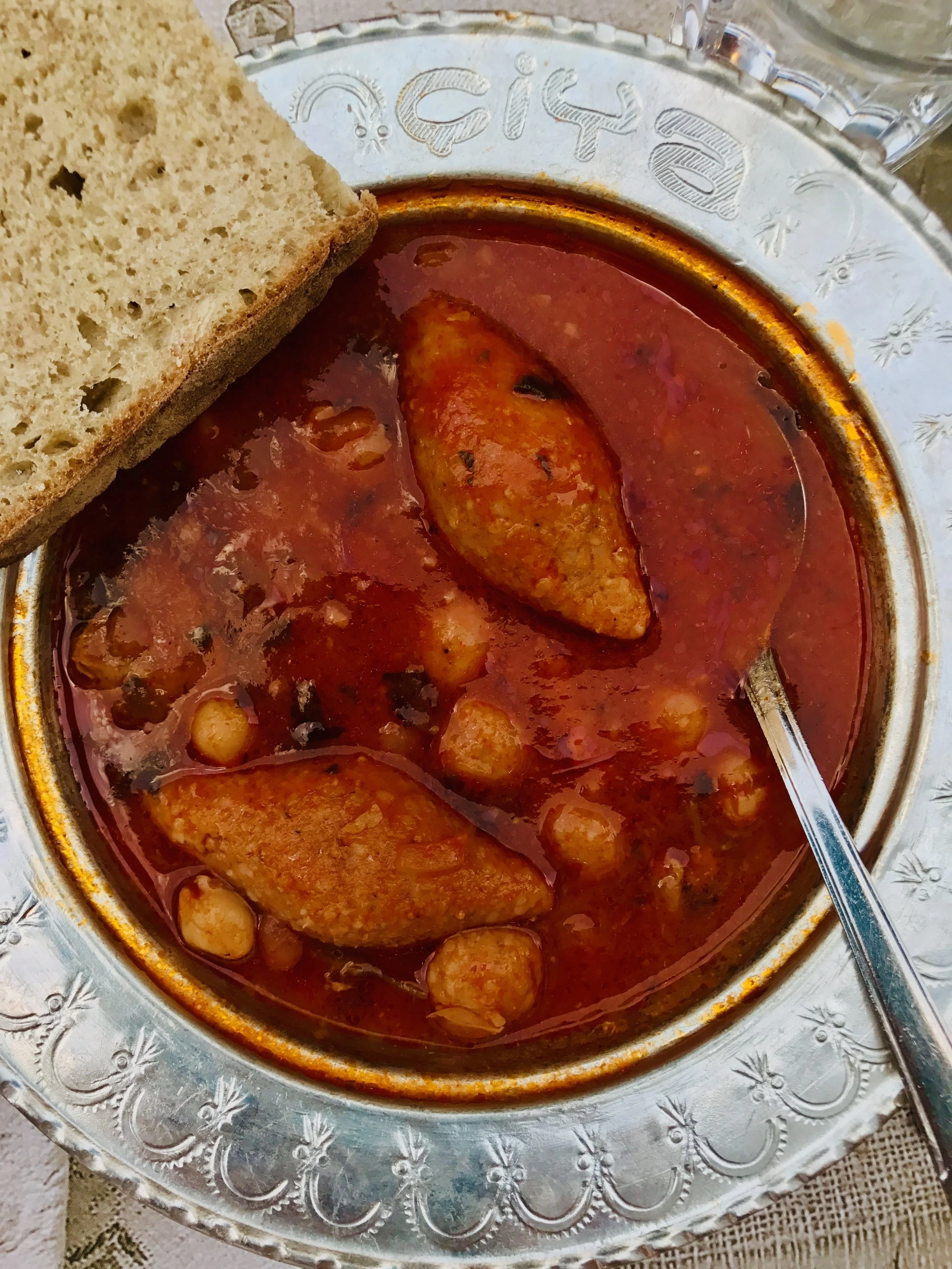
Day five
After a stunning breakfast sitting alongside the ancient Roman walls, our walking exploration of İznik begins at the lively weekly farmer’s market (pazar), where locals gather to sell fresh produce, spices and regional specialties – a wonderful introduction to daily life in this historic town.
From here, we’ll visit the İznik Tile Museum, housed in the former I. Murat Hamamı (Murat I Hamam), to learn about the world-famous İznik tiles that once adorned Ottoman palaces and mosques, and discover the craftsmanship that made this town famous, again.
We’ll continue to the elegant Yeşil Camii (Green Mosque), one of the finest early examples of Ottoman architecture, before passing through the impressive Lefke Gate – one of the original entrances to the ancient walled city.
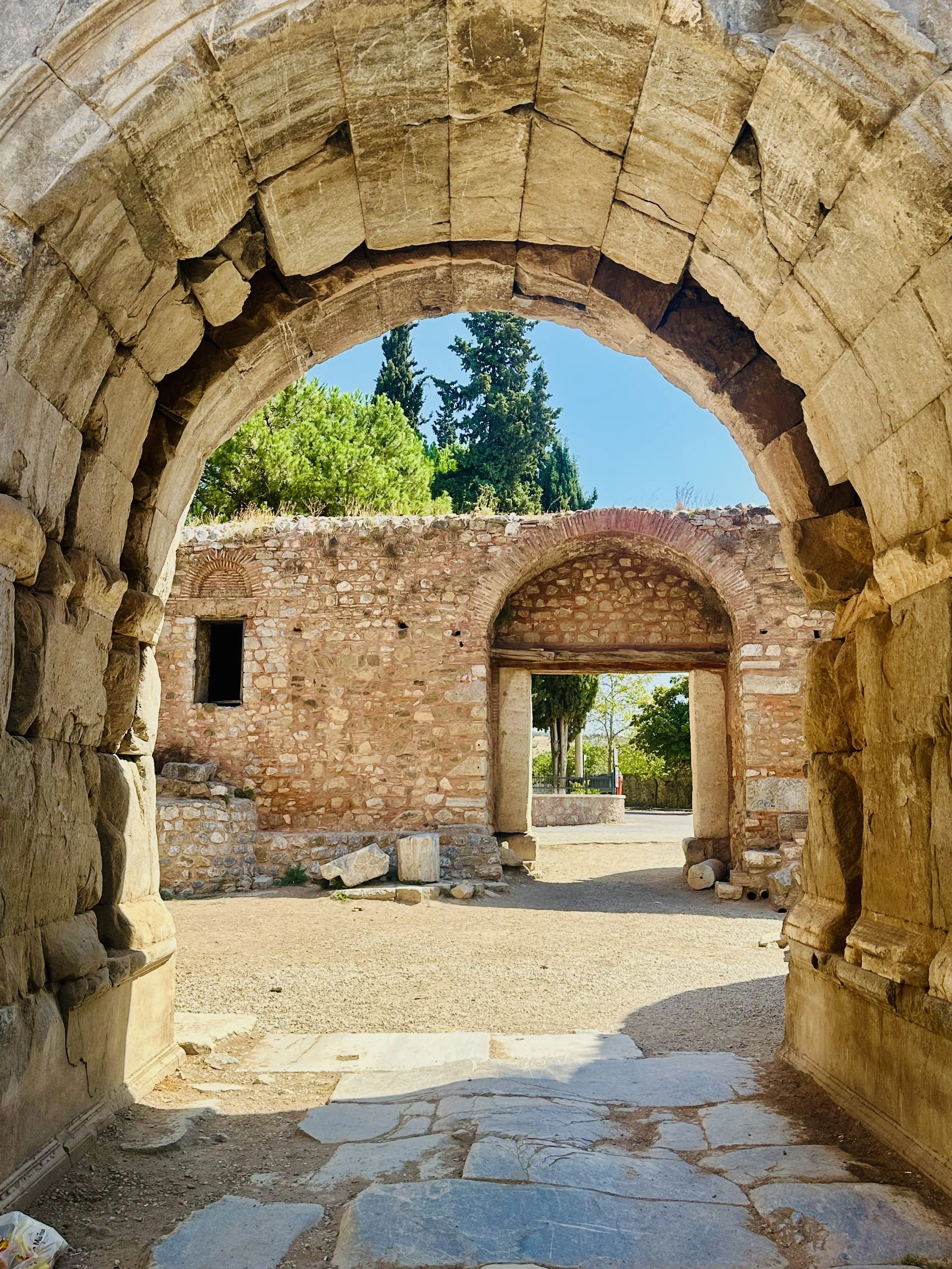
As we walk along İznik’s streets, we’ll trace layers of history that stretch back over two millennia, stopping to view the ancient Roman aqueducts that once supplied water to the city. Our journey then leads us to the İznik Ayasofya Camii, the former Basilica of Hagia Sophia, a site of immense historical and religious significance, where the Second Council of Nicaea was held in 787 CE.
We’ll end our morning walk at the remains of the Antik Roma Tiyatrosu (Roman Theatre), where we can imagine the cultural life of the city during the Roman period – a powerful reminder of İznik’s place at the crossroads of empires, faith and civilisation.
Lunch is at your leisure, with the afternoon free to explore the charming town of İznik at your own pace. This is the perfect opportunity to wander through the many ceramic workshops and studios that line the streets, where you can watch artisans at work and purchase beautifully handcrafted pieces – often at some of the best prices in Türkiye.
In the early evening, we’ll reconvene for a tasting of local produce, including the region’s celebrated olives and olive oil, for which the fertile lands surrounding İznik are renowned. This will be followed by another comforting, homestyle dinner, showcasing the simple, seasonal flavours of the region – a relaxed and delicious way to end the day.
Accommodation: Boutique/local hotel in İznik
Meals: breakfast, dinner, tastings throughout the day
New!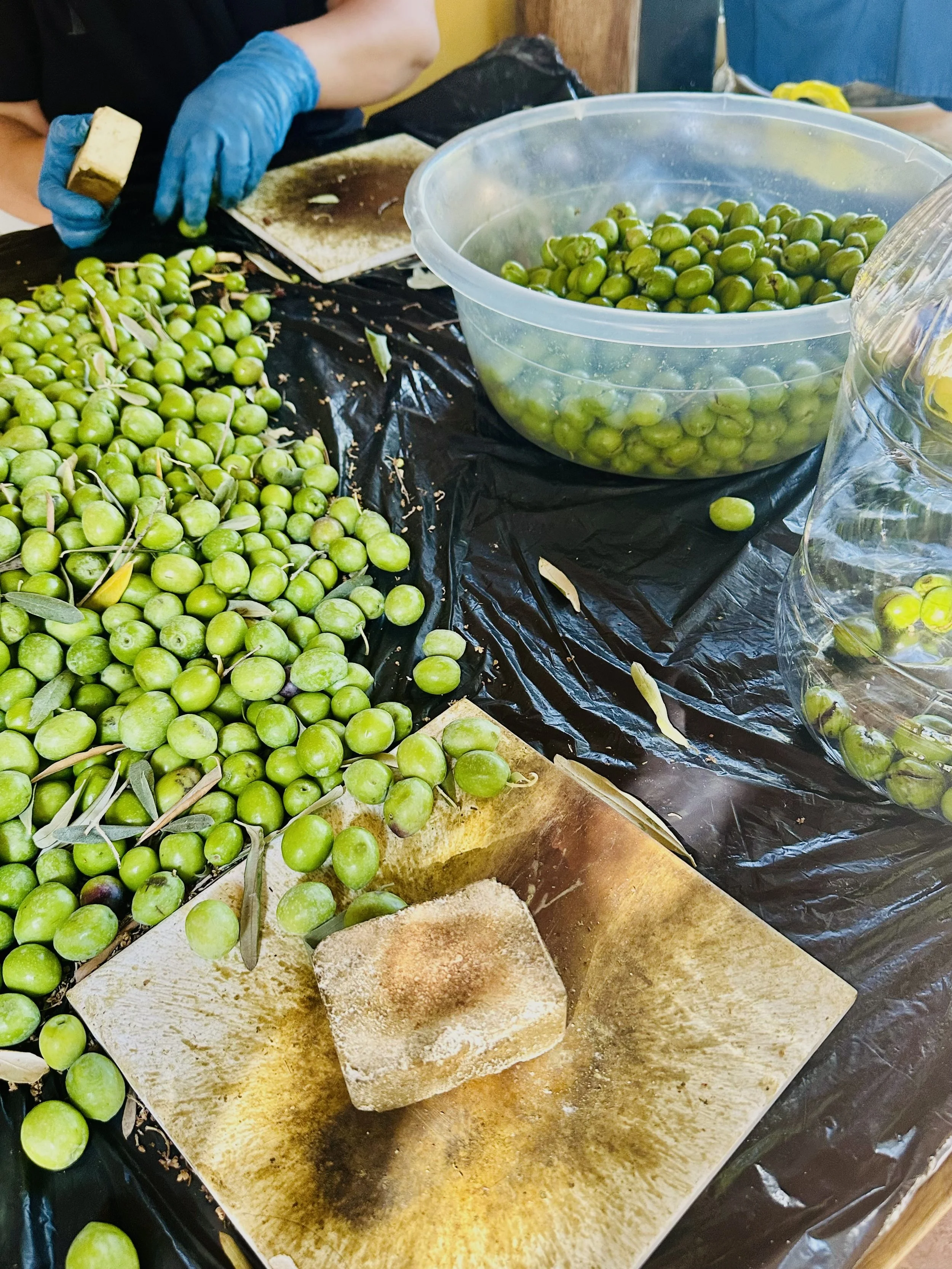
Day six
Our second walking exploration of İznik takes us to the remarkable basilica ruins, recently discovered beneath the waters of Lake İznik. Set just offshore, this extraordinary archaeological site offers a rare glimpse into the city’s early Christian past and the layers of history hidden beneath the lake’s surface.
We’ll then visit the İznik Vakfı, where we’ll learn more about the preservation of İznik’s cultural heritage and the ongoing efforts to protect and celebrate its historical legacy.
Continuing through the ancient city walls, we’ll pass through the Kral Gate (King’s Gate), another impressive remnant of İznik’s fortified past and a powerful symbol of its strategic importance across Roman, Byzantine and Ottoman eras.
We’ll conclude our walk with a relaxed break for çay with a long-time local – a perfect opportunity to slow down, reflect on the İznik’s discoveries, and experience typical ‘Turkish’ hospitality, before boarding the bus for our first long journey to the magical landscapes of Cappadocia. We will make a couple of breaks along the way where you can grab a light lunch.
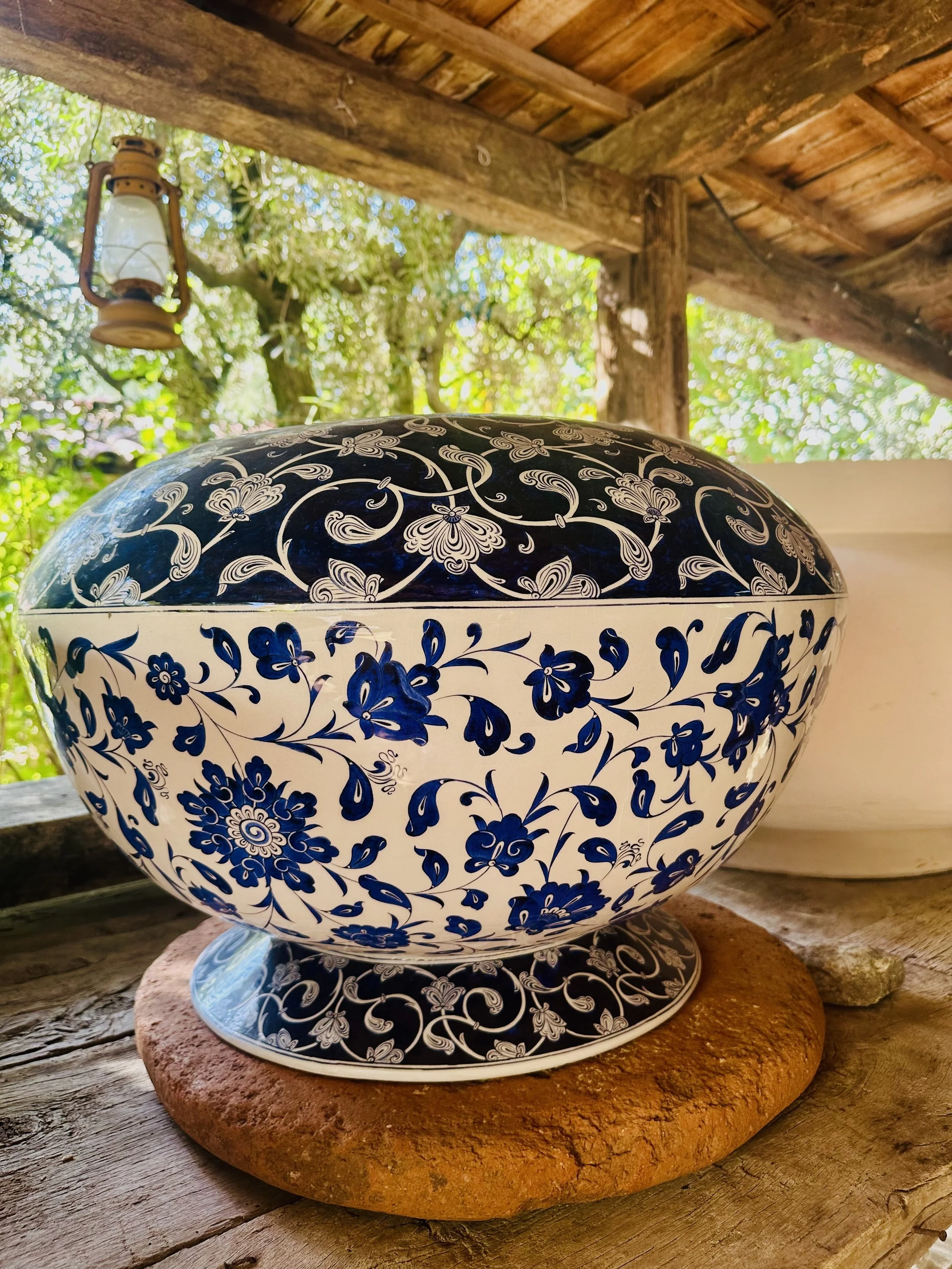
We’ll arrive in Göreme for a quick check-in and refresh before heading out for dinner at a local restaurant, where dishes are slow-cooked in traditional pottery vessels-the perfect culinary tradition in a region renowned for its ceramics.
Accommodation: Family-run hotel in Göreme
Meals: breakfast, dinner
New!
Day seven
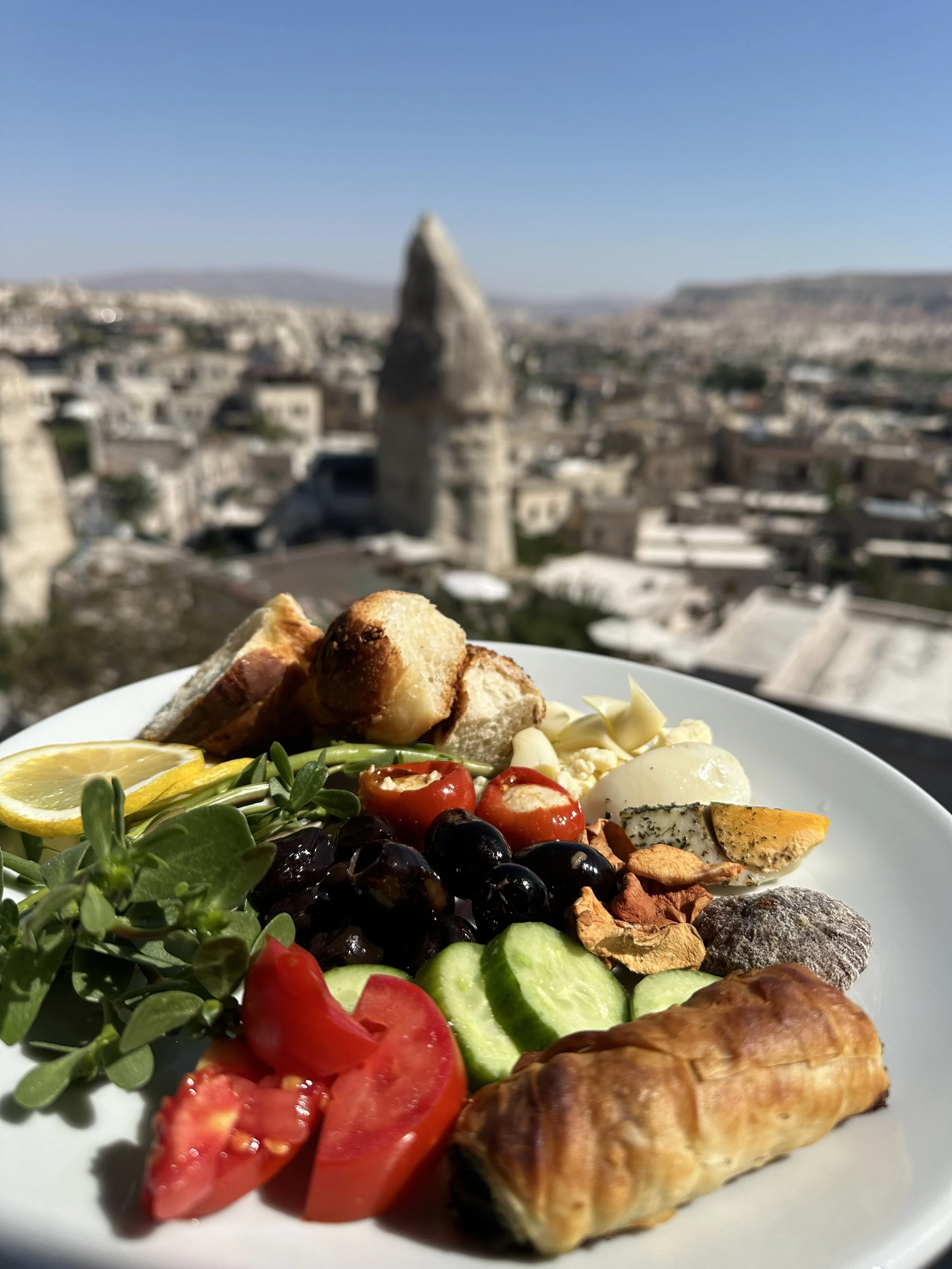
After breakfast overlooking the spectacular vista of Göreme, we’ll travel to the town of Avanos, a region world-famous for its rich ceramic traditions and red clay sourced from the Kızılırmak River. Our first stop is the Güray Museum, where we’ll explore an impressive collection of traditional and contemporary ceramics, gaining insight into the history and techniques that have shaped this craft for centuries.
We’ll then continue into Avanos town to visit the Gaia Workshop, where we’ll take part in a hands-on ceramics experience. Here, you’ll have the opportunity to shape and create your own piece, learning directly from local artisans who keep these ancient techniques alive – and get to take it with you after firing.
Following the workshop, you’ll have free time to wander through Avanos at your own pace-browsing modern ceramic studios, artisan shops and galleries, and enjoying a light lunch at one of the town’s cafés.
In the afternoon, we’ll return to Göreme for some free time to relax before reconvening for a special home-style cooking experience. During this hands-on class, we’ll prepare traditional regional dishes together – offering a delicious insight into local Cappadocian home cooking.
As evening falls, we’ll travel to Saruhan Caravanserai for a moving cultural experience – a performance by the Whirling Dervishes. Set within this historic Seljuk-era caravanserai, the ceremony offers a deeply atmospheric introduction to Sufi spiritual tradition.
We’ll then return to Göreme, where we will enjoy the fruits of the afternoon cooking class, with the remainder of the evening free to relax and enjoy the magical Cappadocian landscape under the stars.
Accommodation: Family-run hotel in Göreme
Meals: breakfast, dinner
New!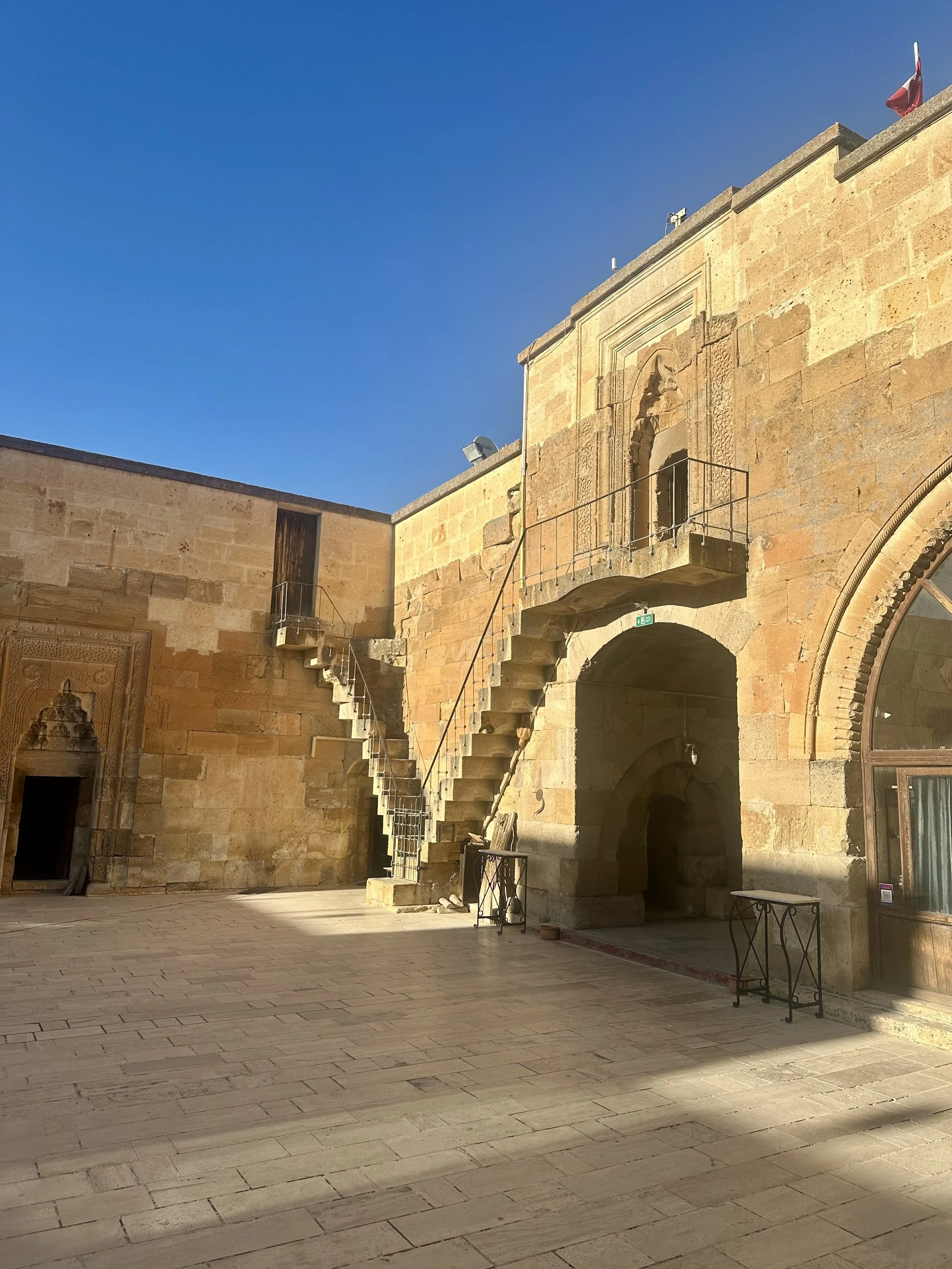
Day eight
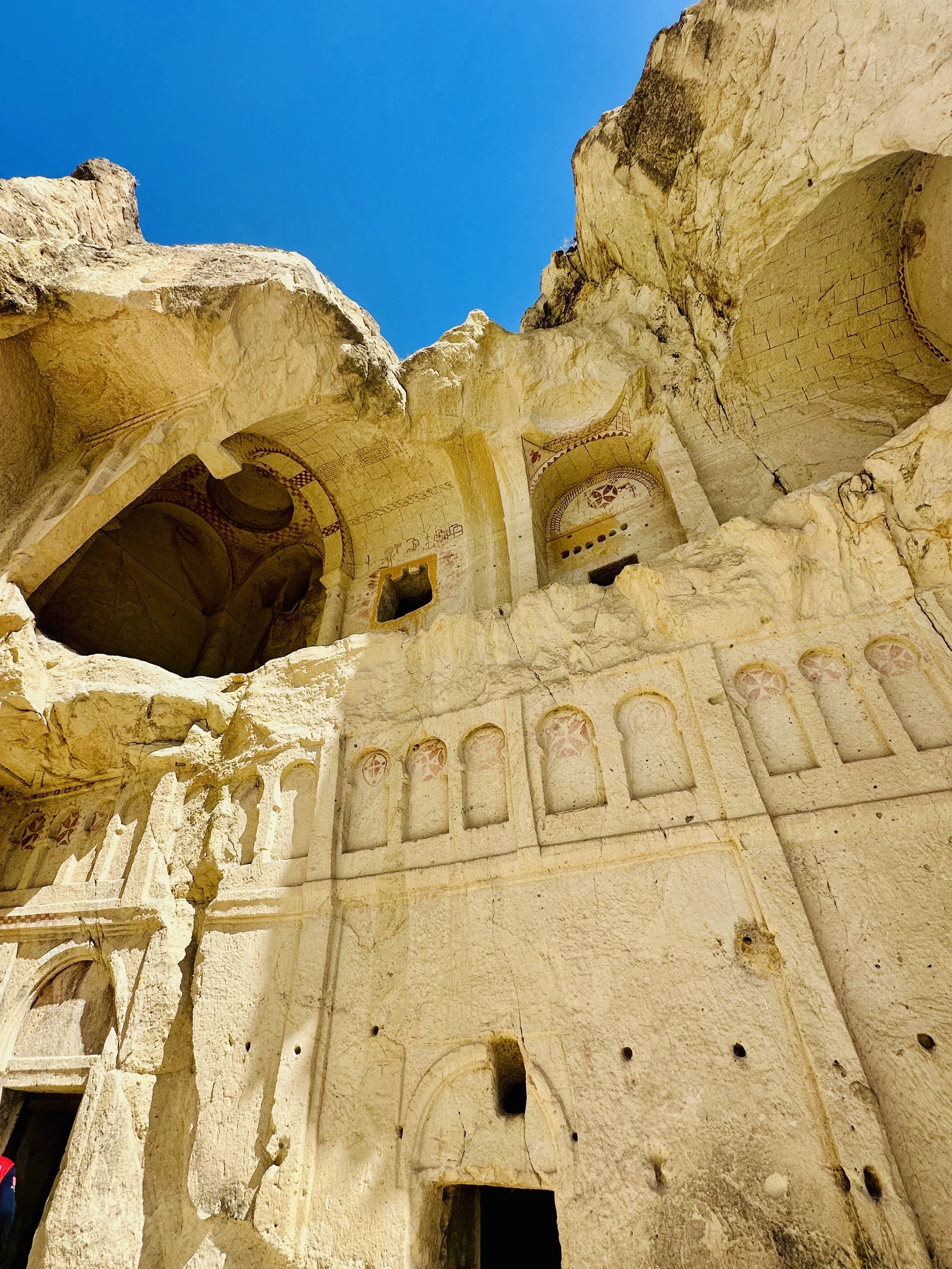
After breakfast, we’ll set out to explore the Göreme Open-Air Museum, one of Cappadocia’s most extraordinary UNESCO World Heritage sites. Here, we’ll wander through ancient rock-cut churches and monasteries adorned with remarkable Byzantine frescoes, offering a fascinating insight into early Christian life in the region.
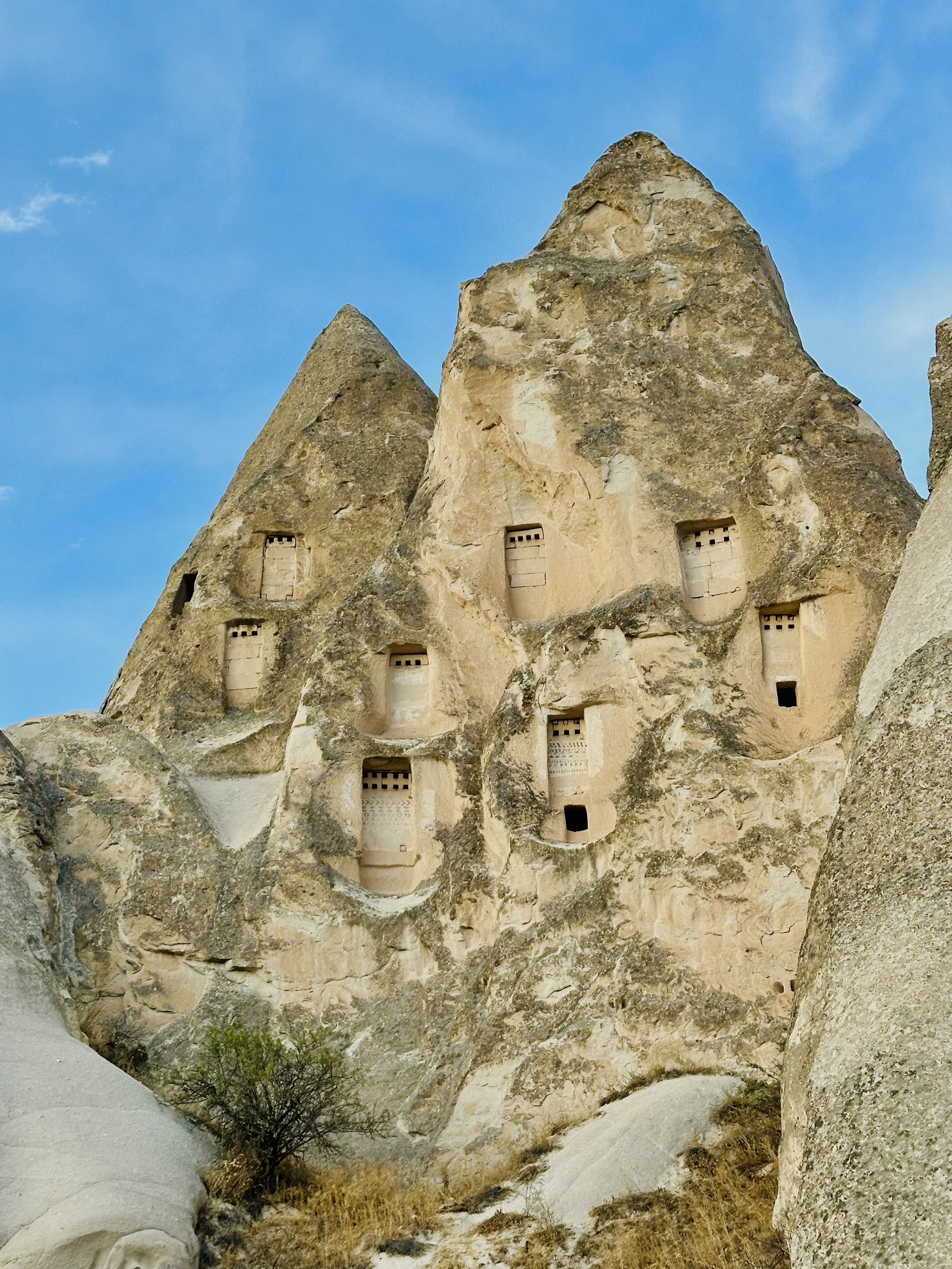
We’ll then drive to Ürgüp, stopping at the historic Asmalı Konak – a beautifully preserved Ottoman mansion and a wonderful example of traditional Cappadocian architecture. Our journey continues to the charming village of Mustafapaşa, where stone houses, quiet courtyards and old Greek mansions tell stories of the area’s multicultural past.
After lunch at a local eatery, we’ll learn about local honey production and traditional beekeeping, including the region’s unique rock-carved apiaries built into the fairy chimneys-a practice that dates back centuries.
We’ll return to the hotel for a brief rest before an introduction to the world of Turkish carpets, where we’ll discover the symbolism, craftsmanship and regional styles behind these iconic works of art.
The late afternoon is yours to relax and prepare for one of Cappadocia’s most unforgettable experiences – a sunset horse ride through the valleys. We’ll be picked up and taken to the stables before riding through the surreal landscapes of fairy chimneys, cave dwellings and golden-hued rock formations as the sun dips below the horizon. For those who don’t ride enjoy a sunset walk to a viewing spot, wandering past historic churches along the way.
After returning to Göreme, the evening is free to unwind and enjoy the magical atmosphere of Cappadocia at your own pace.
Accommodation: Family-run hotel in Göreme
Meals: breakfast, lunch
New!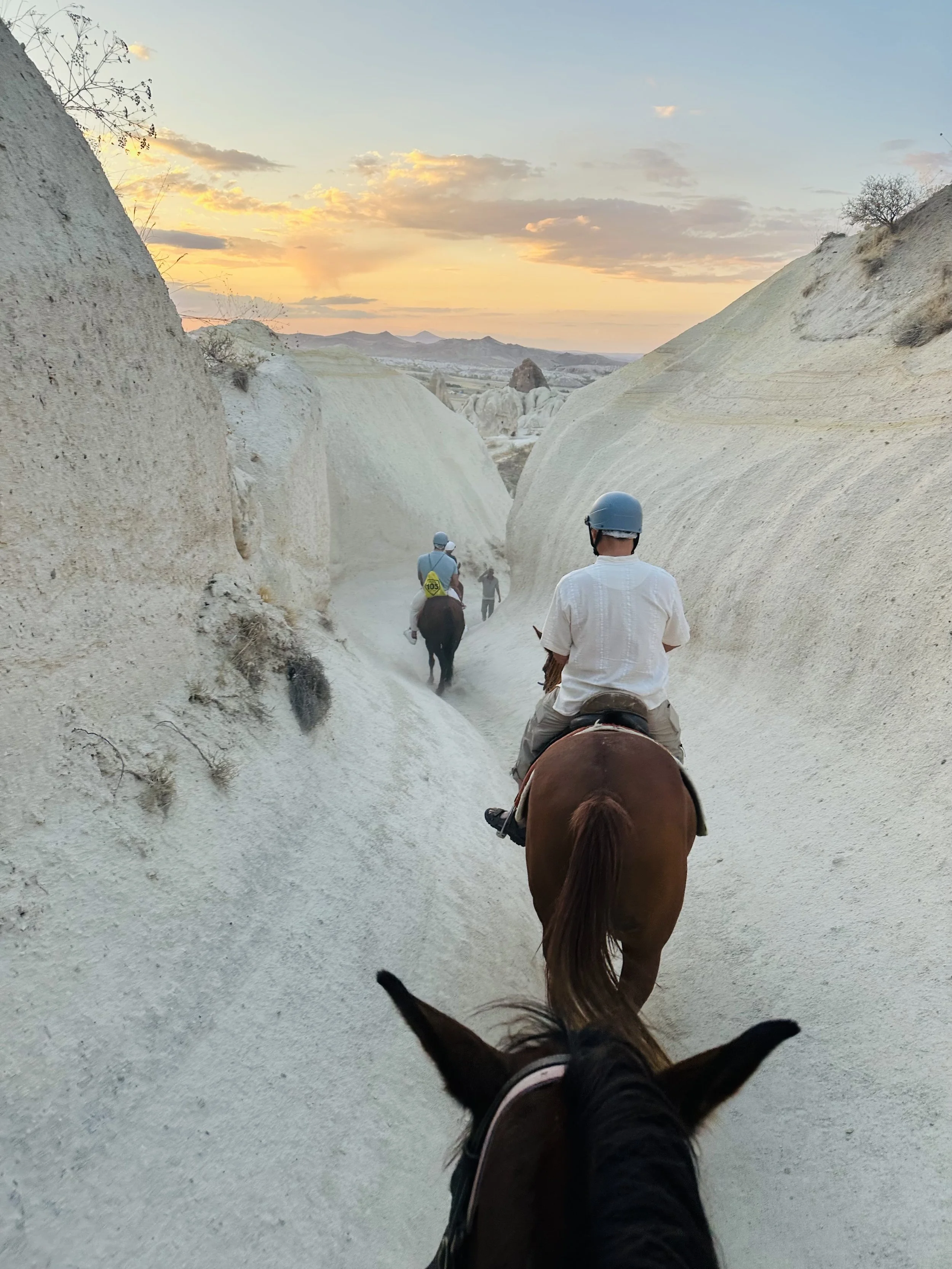
Day nine
After a relaxed late breakfast, we’ll travel to a visit a family farm to learn about the traditional process of making pekmez – a rich grape molasses that has been produced in Anatolia for centuries. You’ll learn about the slow, hands-on methods used to extract and reduce the grape juice, and gain insight into how this staple has long been preserved and enjoyed in Turkish households. If we are lucky we will learn a few other culinary secrets of the region.
Following this cultural experience, you’ll have a free afternoon to grab lunch, relax before we head out for a truly memorable evening. We’ll enjoy a wine and cheese tasting picnic set among the fairy chimneys, surrounded by Cappadocia’s surreal rock formations-a beautiful and atmospheric way to savour local flavours in one of the region’s most iconic landscapes and finish our time in Cappadocia.
Accommodation: Family-run hotel in Göreme
Meals: breakfast, evening picnic
If you wanted to take a sunrise ballon ride, this would be a good day. Reservations can be made from the hotel when we arrive in Göreme
New!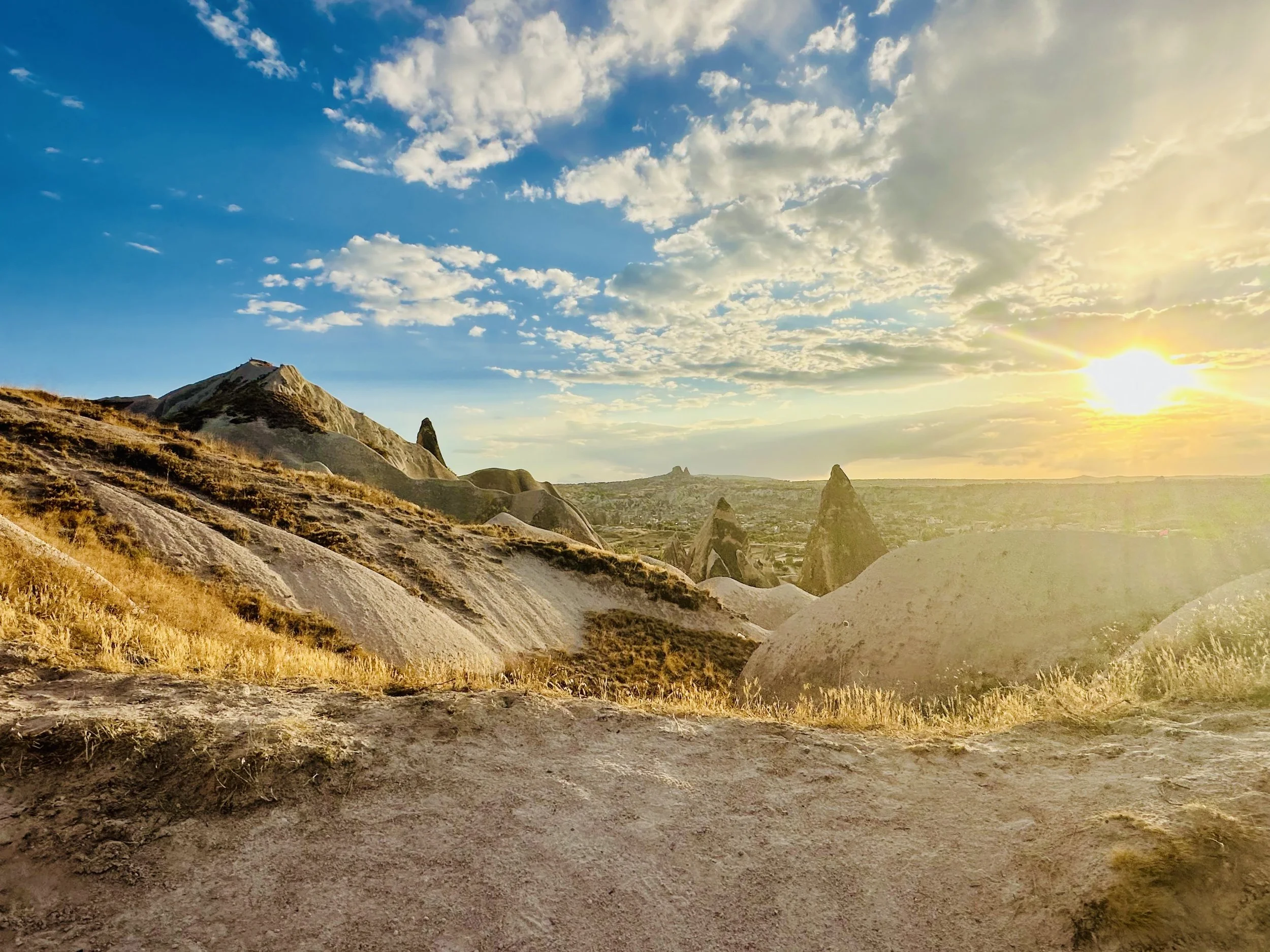
Day ten
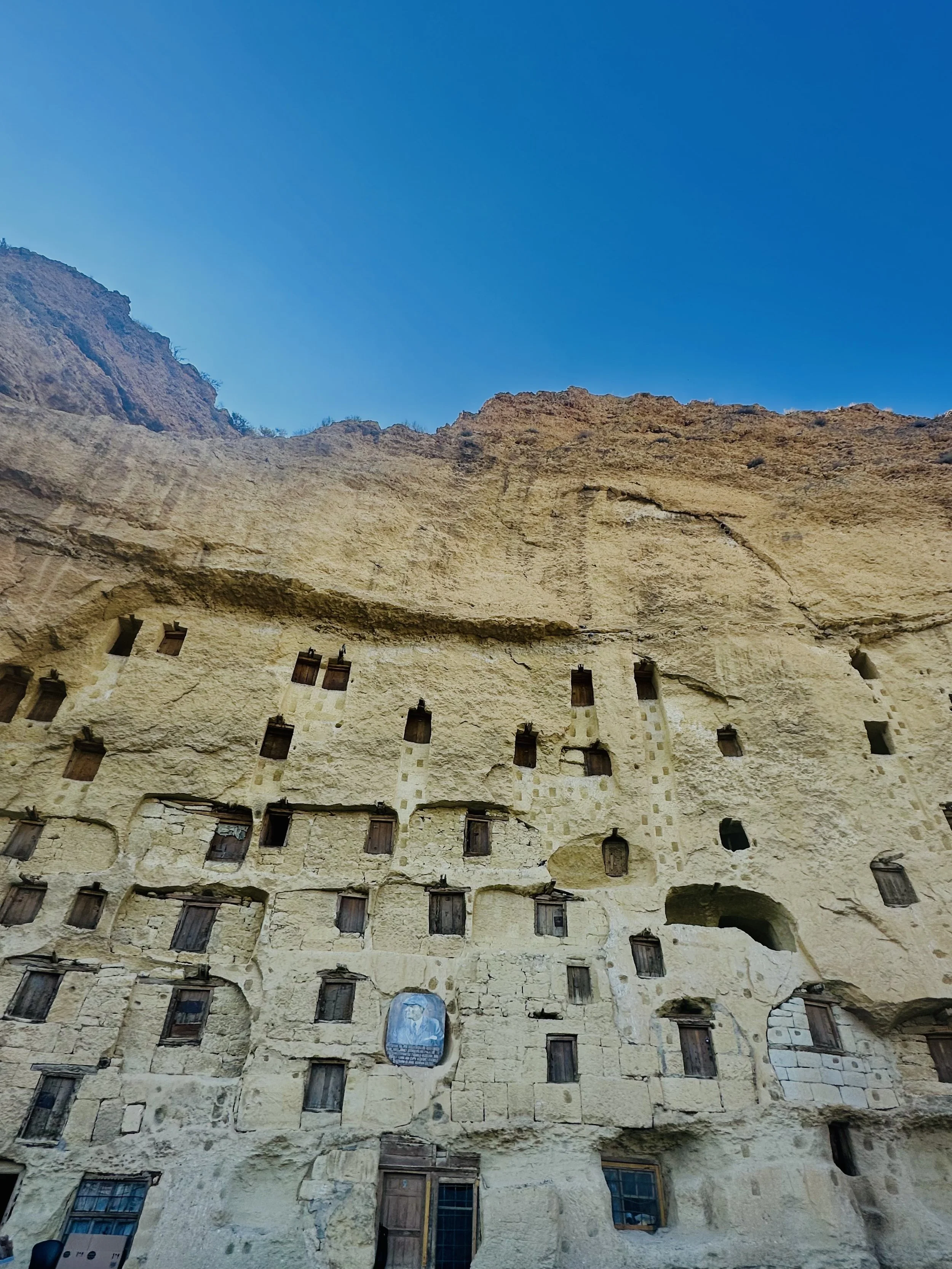
This morning we’ll depart Göreme and begin our journey south towards Taşkale, travelling approximately four hours to get there, with a short comfort break along the way. As we arrive in this remote and character-filled village, we’ll stop at a charming pop-up tea garden, where we can stretch our legs and enjoy a glass of çay and a gözleme while taking in the quiet rhythms of rural Anatolian life and marvelling at the grain storage caves carved into the rock faces.
We’ll then continue our road journey to Tarsus, again travelling around four hours with a brief rest stop en route. Upon arrival, and settling in, we’ll take a stroll to a local iconic restaurant, where we’ll sit down to a well-earned dinner and enjoy the warm, local flavours – we’ll sample more variations of humus than you can imagine, mini lahmacun (flat pizza with minced meat topping) heaped on plates to share alongside pickles and a simple salad – a relaxed and satisfying end to a full day of travel and discovery.
Accommodation: Hotel in historic area of Tarsus
Meals: breakfast, light lunch, dinner
New!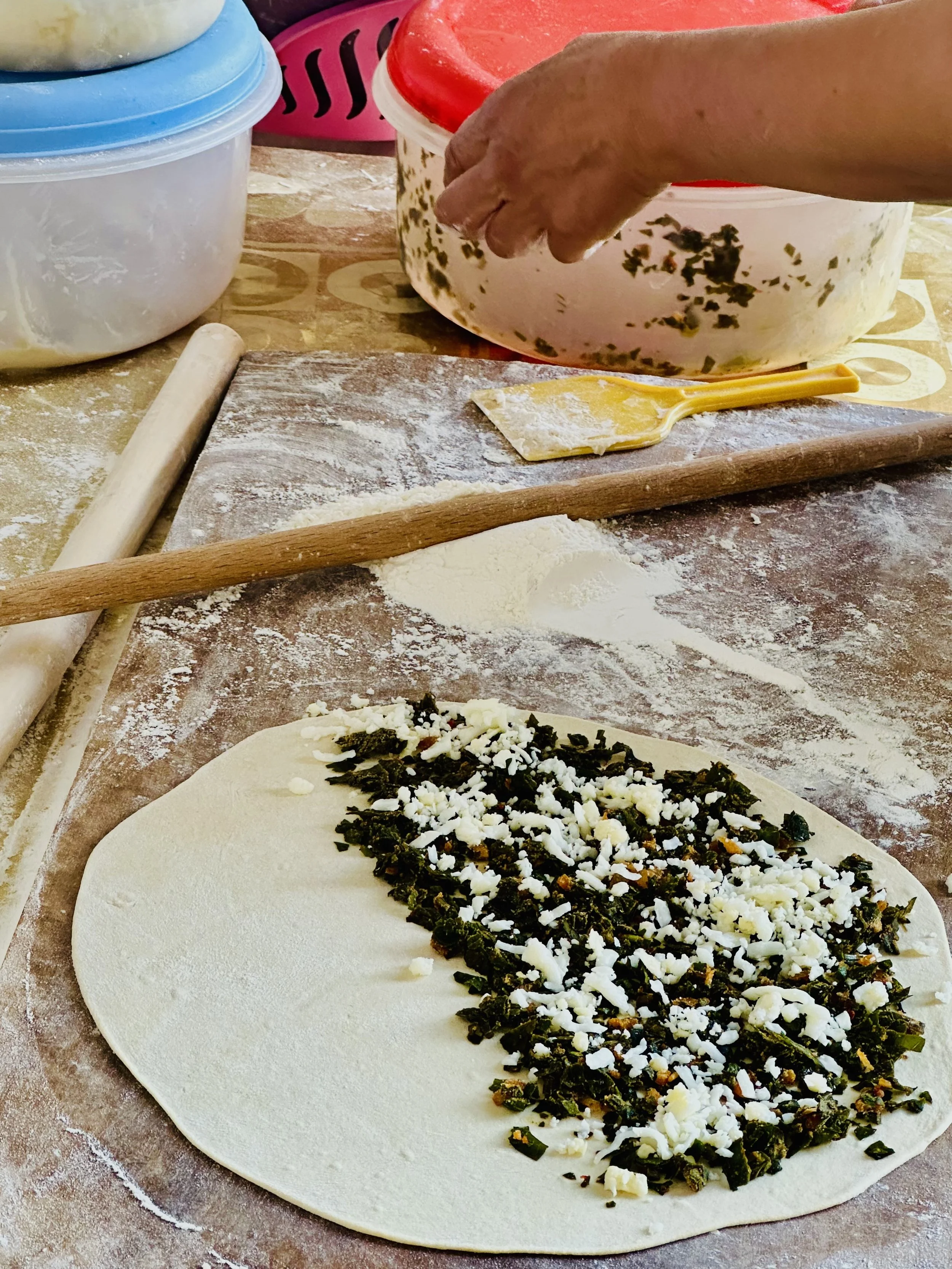
Day eleven
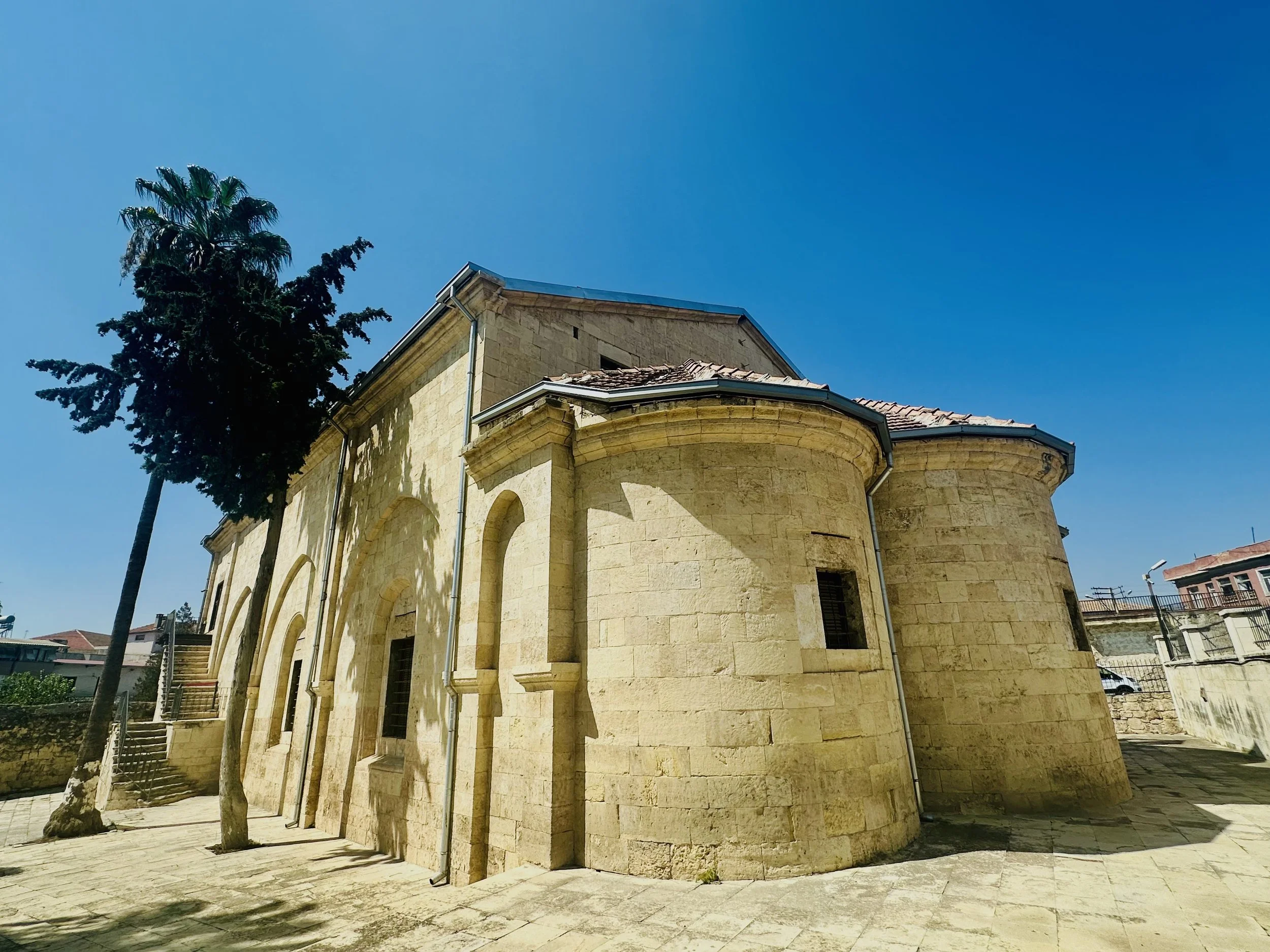
This morning, we’ll set out on a walking exploration of Tarsus, one of Türkiye’s oldest continuously inhabited cities, and the birthplace of St Paul. Our journey begins at St Paul’s Well, a site of deep religious significance, before continuing along the Antik Yolu (ancient road), where Roman stones still lie beneath our feet. We’ll visit the local museum to learn more about the city’s rich past, then pass through Kleopatra’s Gate, once part of the city’s grand Roman entrance.
We’ll continue to St Paul’s Church, followed by the atmospheric Kırkkaşık Bedesteni, a beautifully restored covered market, and the historic medrese (religious school) and Eski Camii (old mosque), where Islamic learning and worship have taken place for centuries. Our walk concludes at the Roman Baths, offering a final glimpse into Tarsus’ ancient urban life.
Along the way, there will be time to sample some of the region’s culinary specialties, including cezerye – a famous local sweet made from carrots – and one of my favourites, alongside a range of other traditional delicacies unique to the area. For lunch, we’ll enjoy tantuni, Tarsus’ iconic street food-thinly sliced spiced beef wrapped in flatbread-before departing for Antakya, a four-hour journey away.
Upon arrival in Antakya, we’ll check in to our hotel and enjoy some well-earned downtime – perhaps relaxing in a Turkish bath, unwinding by the pool, or simply resting after a full day of exploration and travel. In the evening, we’ll dine at the Museum Hotel restaurant, where elegant local cuisine and a remarkable historical setting provide a memorable end to the day.
Accommodation: Museum Hotel in Antakya
Meals: breakfast, lunch
New!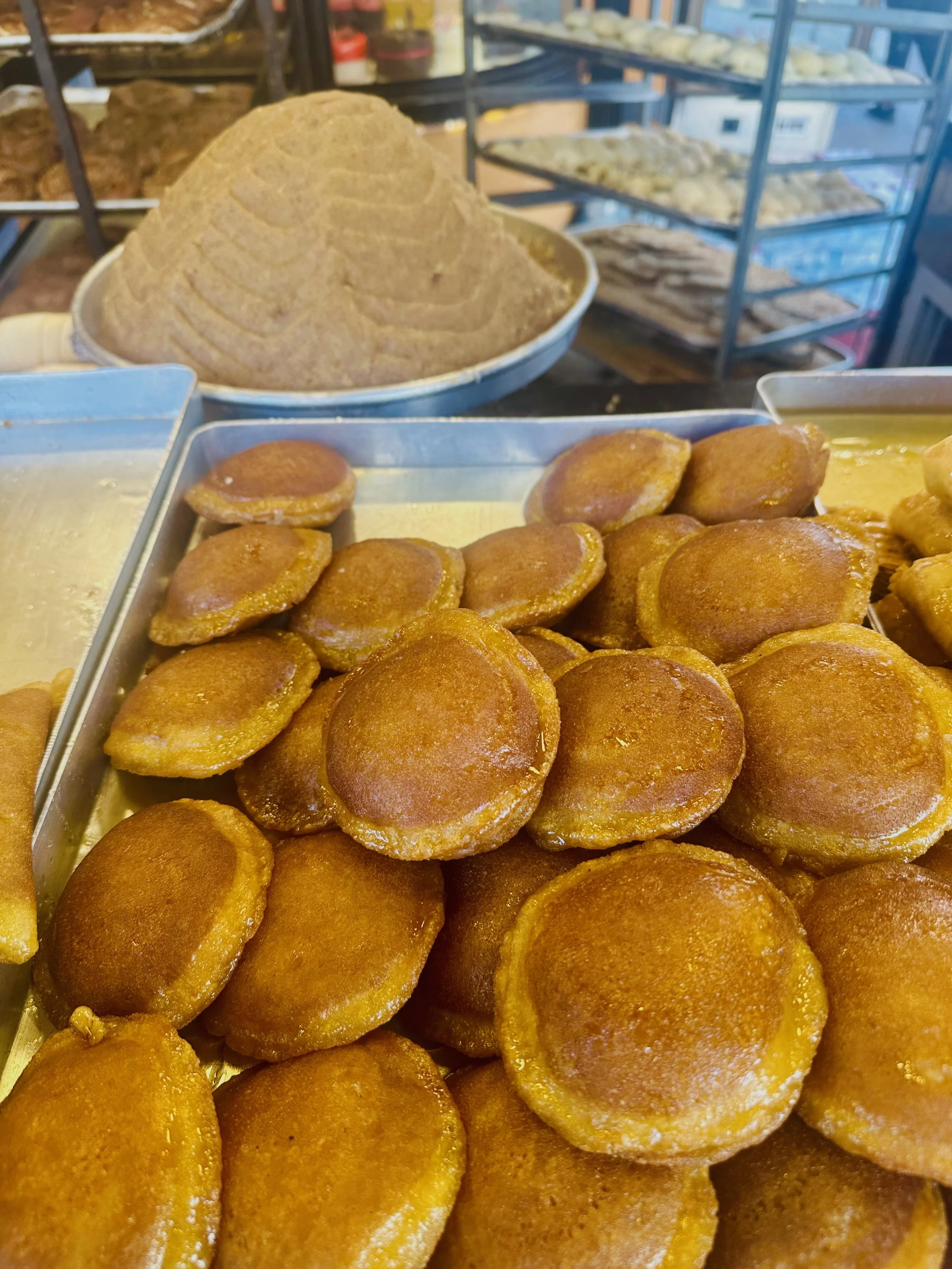
Day twelve
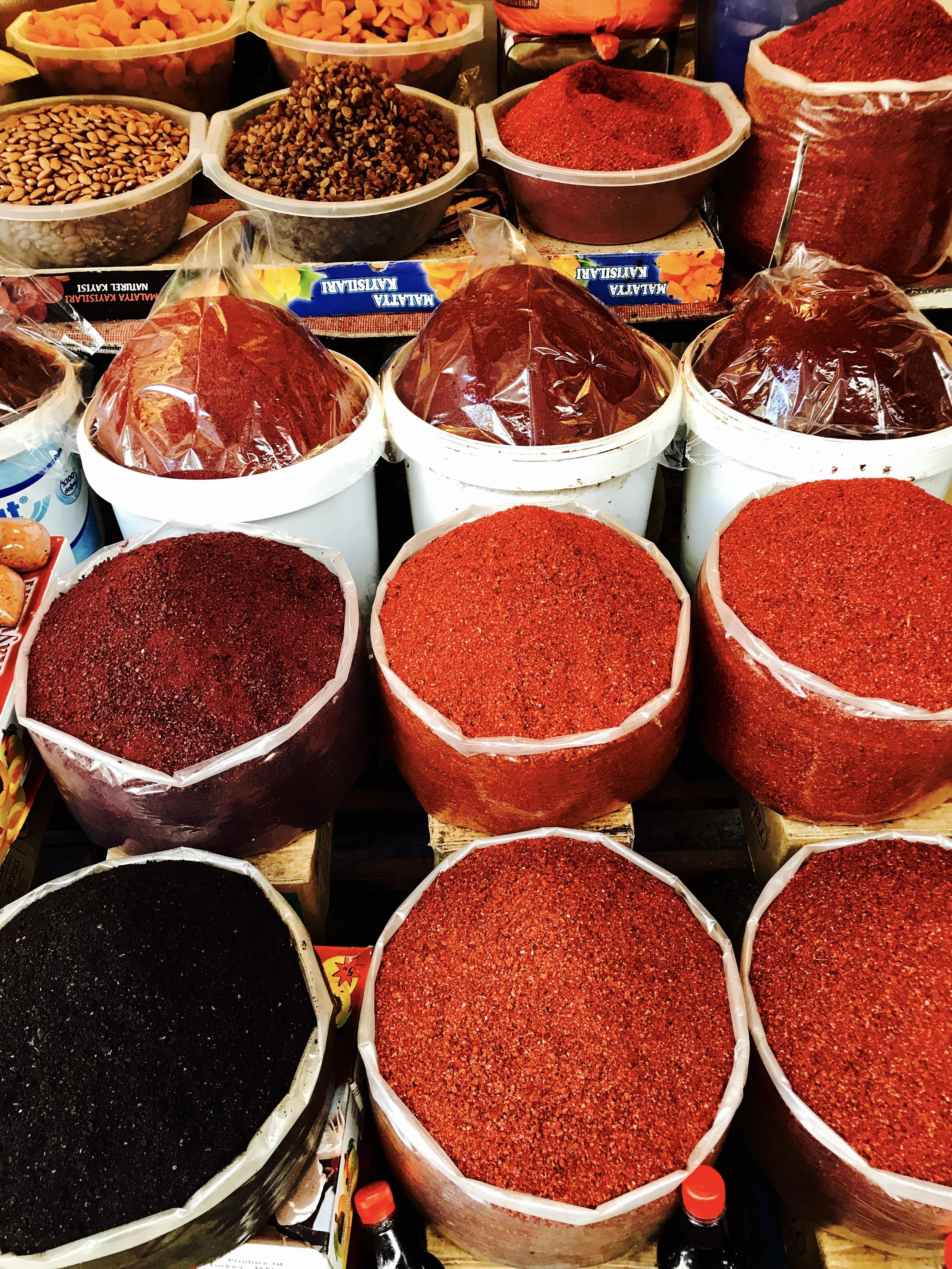
We begin the day exploring the remnants of Antakya’s markets, still in recovery from the 2023 earthquake that shattered the region. We will visit the temporary site of the new market where the region’s rich culinary identity is still visible through vibrant displays of spices, herbs, fresh produce and local specialties, including a range of flatbreads and kabak tatlısı (pumpkin dessert) – a brief introduction to one of Türkiye’s most celebrated food cultures.
From Antakya, we’ll travel to the village of Şenköy where we’ll be welcomed into the home of long-time friends Fatma and İğdo for an authentic village experience. We’ll start with a traditional Hatay-style breakfast for lunch, beautifully laid out on trays and shared on the floor of the living room, just as it has been for generations – a deeply personal and memorable way to experience local hospitality.
After lunch, we’ll take a brief stroll around the family garden and dairy cattle stalls, before learning about daily village food practices. We’ll be introduced to the stages of traditional cheese-making, followed by a hands-on look at village-style bread-making, using time-honoured methods passed down through families. We will learn about the simple yet critical steps for a perfect çiğ köfte (originally made with raw meat, now with red lentils), and how to work with the shredded pastry key to making the delicious and most famous regional dessert – künefe.
Accommodation: Museum Hotel in Antakya
Meals: breakfast, lunch, dinner
Day twelve
We begin the day exploring the remnants of Antakya’s markets, still in recovery from the 2023 earthquake that shattered the region. We will visit the temporary site of the new market where the region’s rich culinary identity is still visible through vibrant displays of spices, herbs, fresh produce and local specialties, including a range of flatbreads and kabak tatlısı (pumpkin dessert) – a brief introduction to one of Türkiye’s most celebrated food cultures.
From Antakya, we’ll travel to the village of Şenköy where we’ll be welcomed into the home of long-time friends Fatma and İğdo for an authentic village experience. We’ll start with a traditional Hatay-style breakfast for lunch, beautifully laid out on trays and shared on the floor of the living room, just as it has been for generations – a deeply personal and memorable way to experience local hospitality.
After lunch, we’ll take a brief stroll around the family garden and dairy cattle stalls, before learning about daily village food practices. We’ll be introduced to the stages of traditional cheese-making, followed by a hands-on look at village-style bread-making, using time-honoured methods passed down through families. We will learn about the simple yet critical steps for a perfect çiğ köfte (originally made with raw meat, now with red lentils), and how to work with the shredded pastry key to making the delicious and most famous regional dessert – künefe.
Accommodation: Museum Hotel in Antakya
Meals: breakfast, lunch, dinner
New!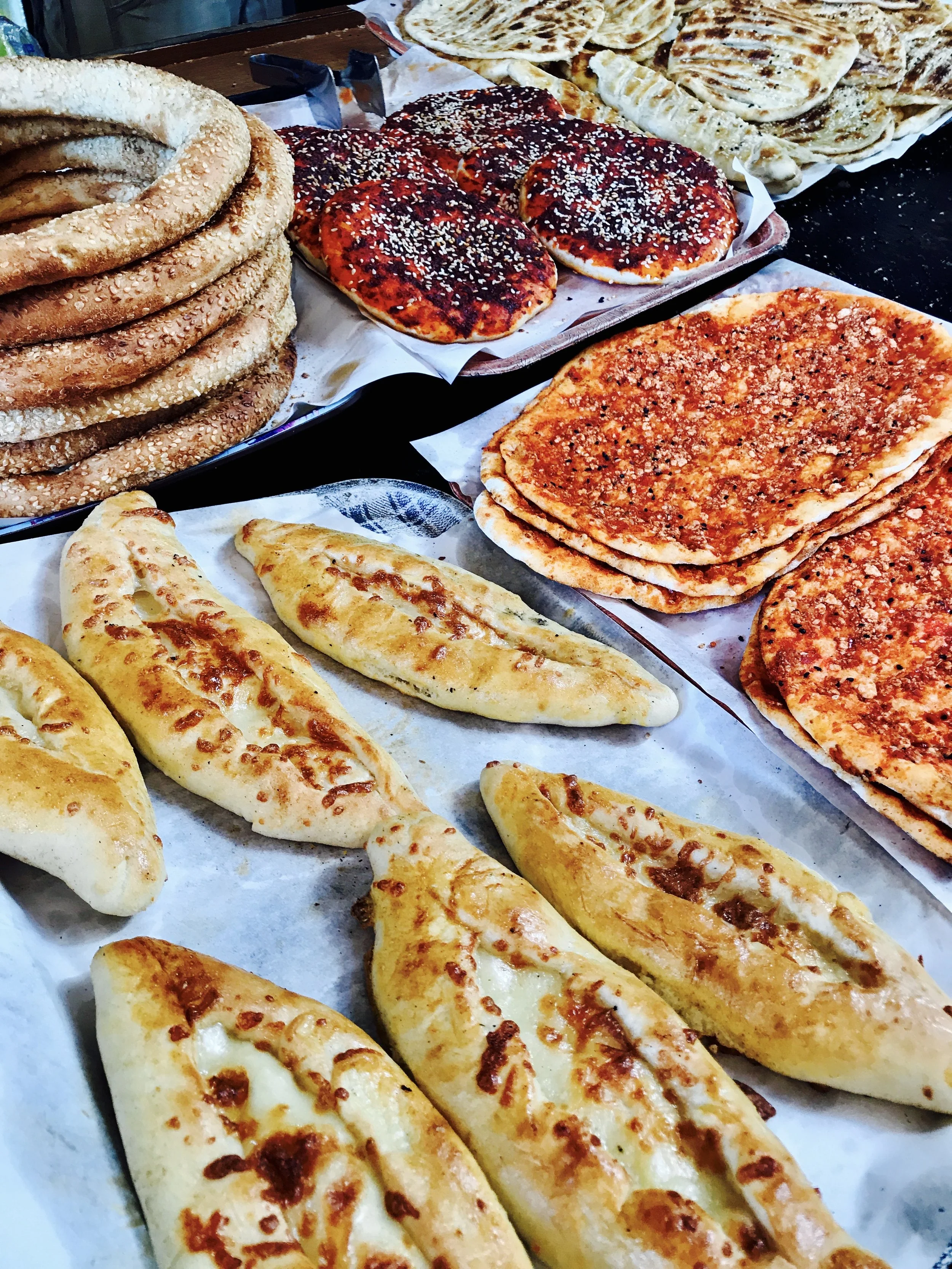
Day twelve
We begin the day exploring the remnants of Antakya’s markets, still in recovery from the 2023 earthquake that shattered the region. We will visit the temporary site of the new market where the region’s rich culinary identity is still visible through vibrant displays of spices, herbs, fresh produce and local specialties, including a range of flatbreads and kabak tatlısı (pumpkin dessert) – a brief introduction to one of Türkiye’s most celebrated food cultures.
From Antakya, we’ll travel to the village of Şenköy where we’ll be welcomed into the home of long-time friends Fatma and İğdo for an authentic village experience. We’ll start with a traditional Hatay-style breakfast for lunch, beautifully laid out on trays and shared on the floor of the living room, just as it has been for generations – a deeply personal and memorable way to experience local hospitality.
After lunch, we’ll take a brief stroll around the family garden and dairy cattle stalls, before learning about daily village food practices. We’ll be introduced to the stages of traditional cheese-making, followed by a hands-on look at village-style bread-making, using time-honoured methods passed down through families. We will learn about the simple yet critical steps for a perfect çiğ köfte (originally made with raw meat, now with red lentils), and how to work with the shredded pastry key to making the delicious and most famous regional dessert – künefe.
Accommodation: Museum Hotel in Antakya
Meals: breakfast, lunch, dinner
Day thirteen
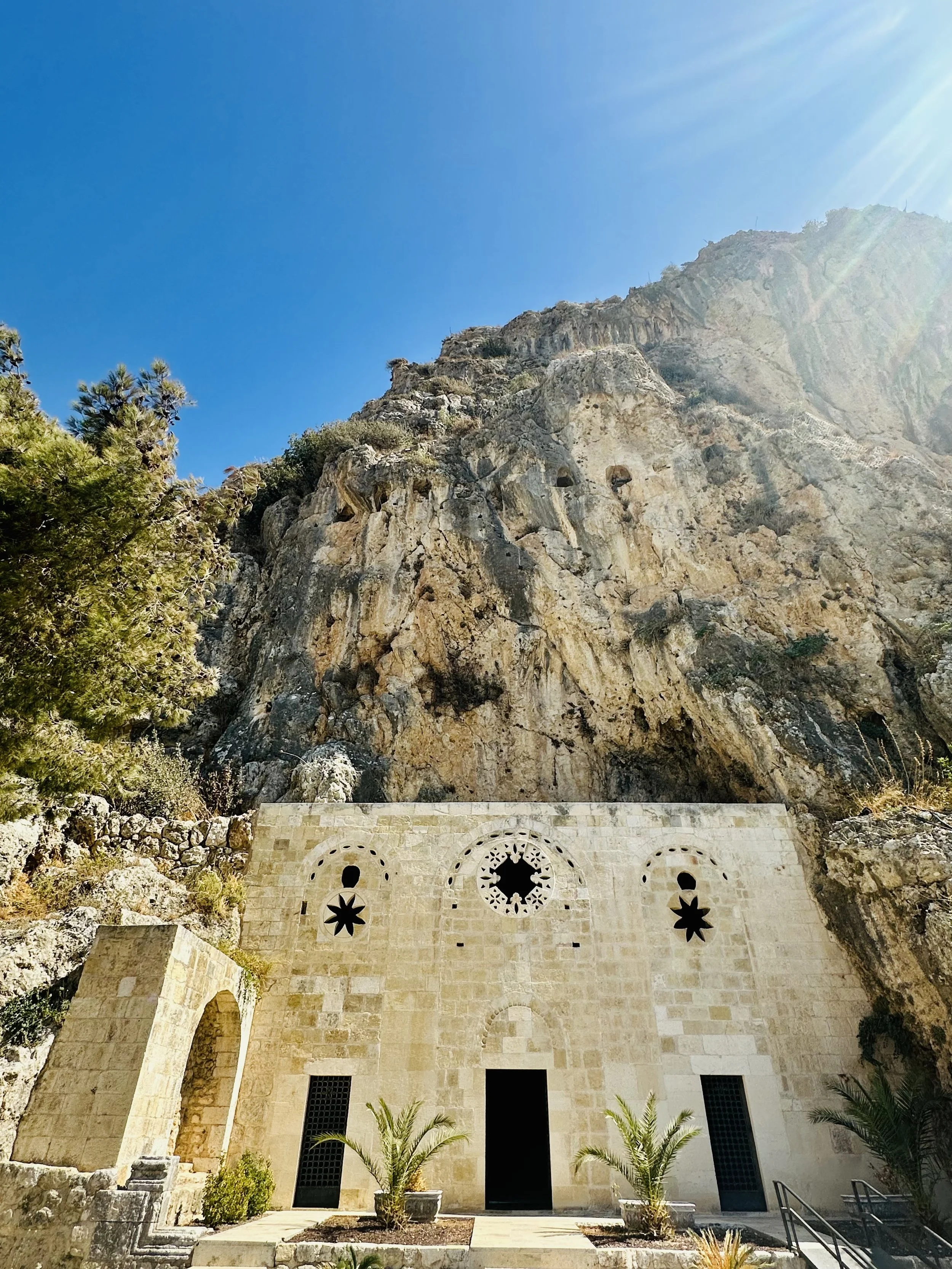
After breakfast, we’ll check out of the hotel and load our bags onto the bus before beginning the day’s journey. We will explore the hotel’s museum, and there will be an optional visit to the Church of St Peter, one of the earliest Christian churches in the world, carved into the rock face and steeped in religious and historical significance.
We’ll travel back to the village of Şenköy to spend more time with Fatma. This morning, we’ll take a walk around Şenköy, including a visit to the tomb of Sheikh Ahmet Kuseyri (d. 1549), a revered site of pilgrimage where locals believe visitors can be healed of illness. The tomb sits beside a beautiful 16th-century mosque, offering a powerful glimpse into the region’s spiritual heritage.
We’ll then gather once more to enjoy Fatma’s amazing food – learning along the way – içli köfte (meat tucked inside a whole wheat casing), tuzlu yogurt (cooked thickened yoghurt), nar ekşisi (pomegranate syrup), and salça (tomato, or pepper paste) – a home-cooked feast of regional dishes prepared with traditional methods and heartfelt hospitality, showcasing the rich culinary traditions of Hatay.
After what I am sure will be a teary farewell, we’ll continue our journey to Gaziantep, travelling approximately three and a half hours with a short comfort break along the way. Upon arrival, we’ll check in to our hotel and enjoy some time to rest before a stroll for the evening meal – and our dinner tonight will not disappoint – Tarihi Bey Kebapçisi, the best kebabs in town, with a serve of eggplant, ayran (yoghurt drink), bread puffed and warm from the oven, and salads with a little bit of spice.
Accommodation: Boutique hotel in old city Gazianantep
Meals: breakfast, lunch, dinner
New!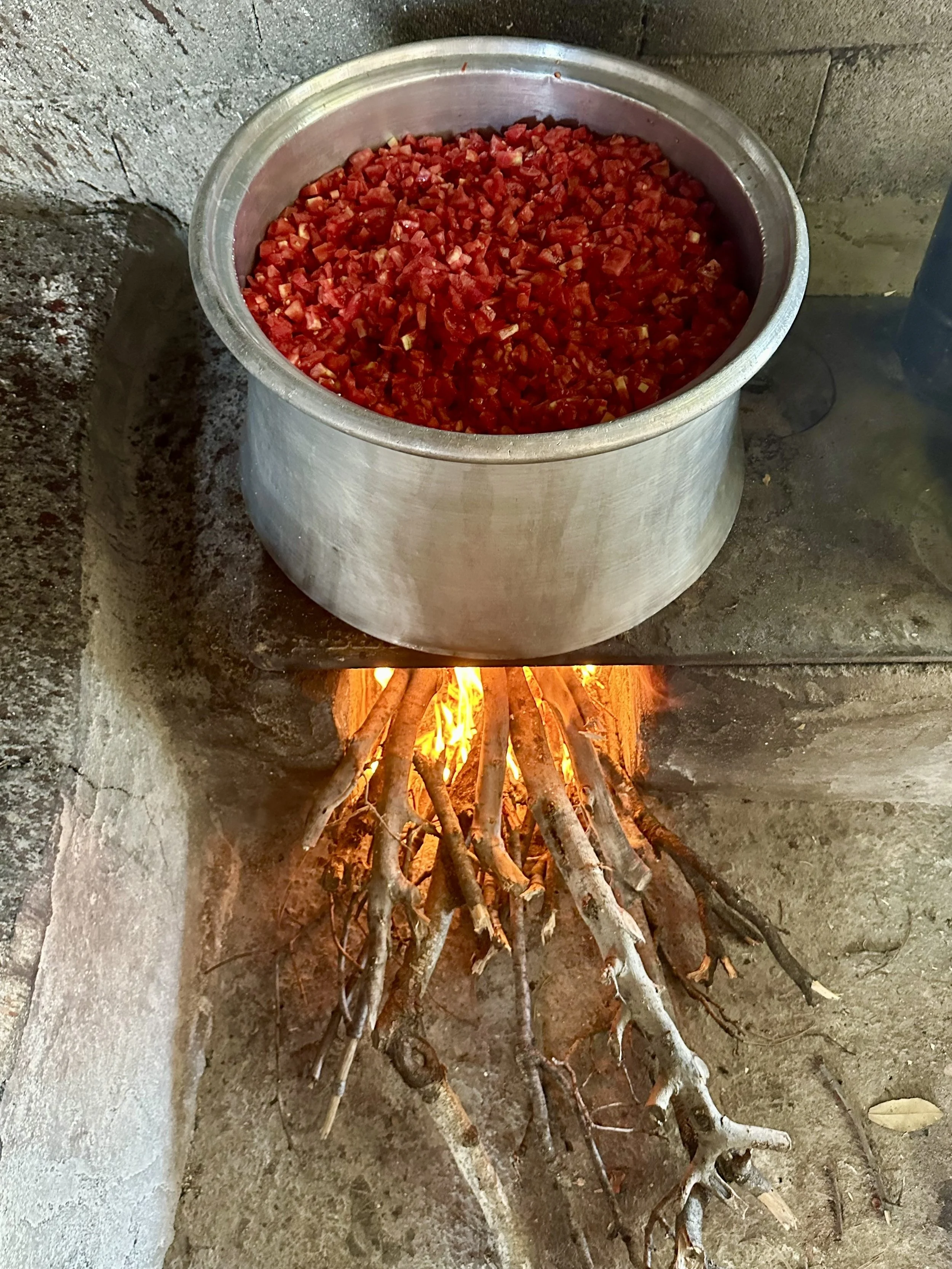
Day twelve
We begin the day exploring the remnants of Antakya’s markets, still in recovery from the 2023 earthquake that shattered the region. We will visit the temporary site of the new market where the region’s rich culinary identity is still visible through vibrant displays of spices, herbs, fresh produce and local specialties, including a range of flatbreads and kabak tatlısı (pumpkin dessert) – a brief introduction to one of Türkiye’s most celebrated food cultures.
From Antakya, we’ll travel to the village of Şenköy where we’ll be welcomed into the home of long-time friends Fatma and İğdo for an authentic village experience. We’ll start with a traditional Hatay-style breakfast for lunch, beautifully laid out on trays and shared on the floor of the living room, just as it has been for generations – a deeply personal and memorable way to experience local hospitality.
After lunch, we’ll take a brief stroll around the family garden and dairy cattle stalls, before learning about daily village food practices. We’ll be introduced to the stages of traditional cheese-making, followed by a hands-on look at village-style bread-making, using time-honoured methods passed down through families. We will learn about the simple yet critical steps for a perfect çiğ köfte (originally made with raw meat, now with red lentils), and how to work with the shredded pastry key to making the delicious and most famous regional dessert – künefe.
Accommodation: Museum Hotel in Antakya
Meals: breakfast, lunch, dinner
Day fourteen
We’ll begin the day with a walk to Metanet Lokantası, one of Gaziantep’s most iconic eateries, where we’ll experience the bold, deeply spiced flavours of a soup that helps define the city’s legendary cuisine. After our breakfast, we’ll stop for a traditional Turkish coffee, with a Gaziantep twist at a beloved institution that has been serving locals for centuries.
From here, we’ll wander through the atmospheric Bakırcılar Çarşısı (Coppersmiths’ Bazaar), where the rhythmic sound of hammering fills the air as artisans shape copper by hand, followed by a visit to Almacı Pazarı (‘Apple’ Market), a lively local market bursting with spices, dried fruits, nuts and regional specialties.
After a lunch of home-style dishes, our walk continues into Bey Mahallesi, Gaziantep’s beautifully restored historic quarter, where elegant stone houses and quiet courtyards reveal a more tranquil side of the city. We’ll stop at a traditional çay bahçesi (tea garden), for a moment of rest and reflection.
Depending on time and interest, we may also visit the Mutfak Müzesi (Culinary Museum) or the Kayna Sabun Müzesi (Olive Oil Soap Museum), both offering fascinating insights into Gaziantep’s domestic food culture and artisanal heritage.
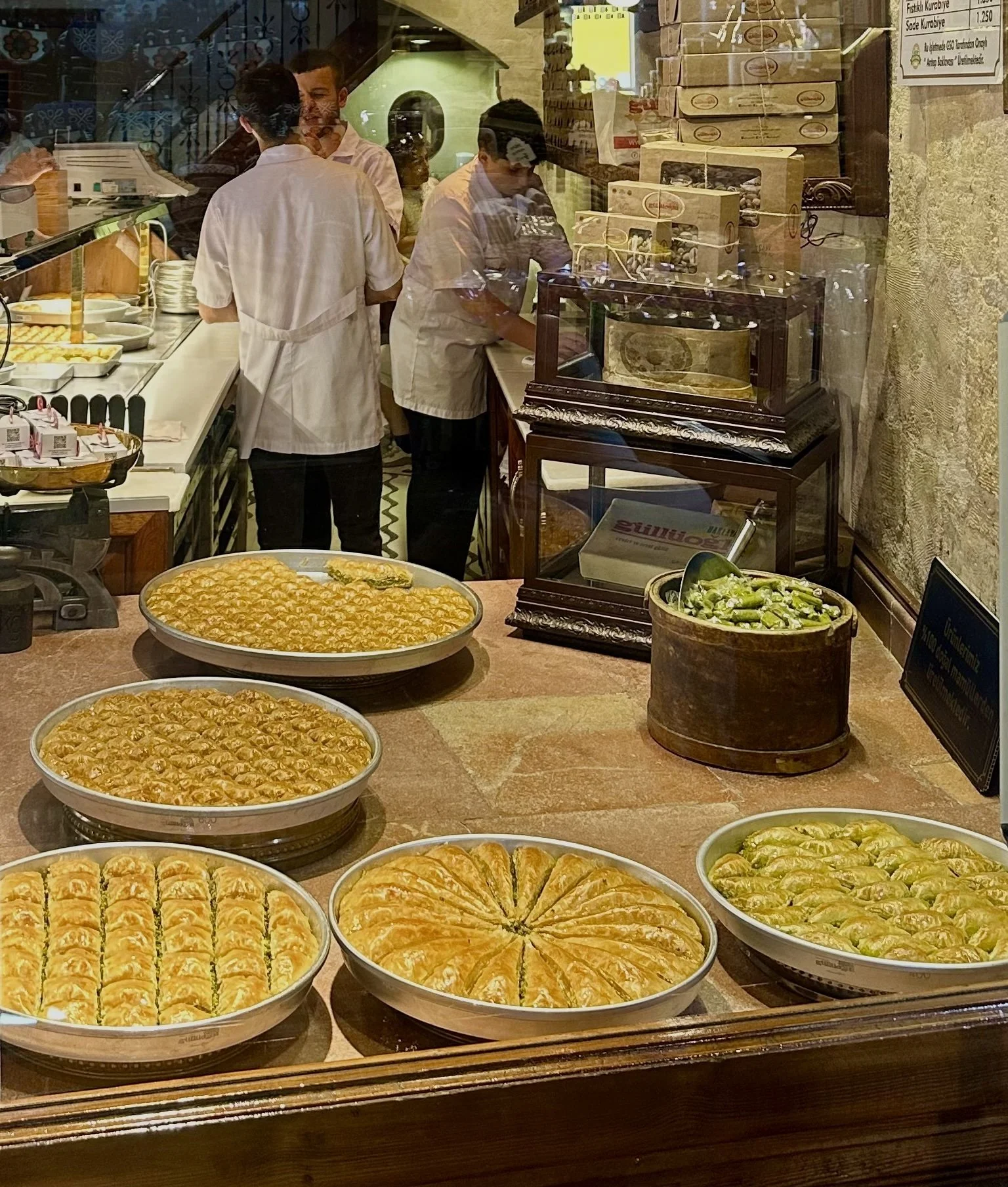
The remainder of the afternoon is free for you to explore at your own pace. You might choose to wander through the historic Zincirli Bedesten or seek out some of the city’s most famous treats – with recommendations provided for the very best baklava and katmer, two of Gaziantep’s most celebrated culinary icons that heroes pistachio, the main agricultural crop of Gaziantep. Dinner is at your leisure to end a day that perfectly captures why Gaziantep is considered the gastronomic capital of Türkiye.
Accommodation: Boutique hotel in old city Gazianantep
Meals: breakfast, lunch
New!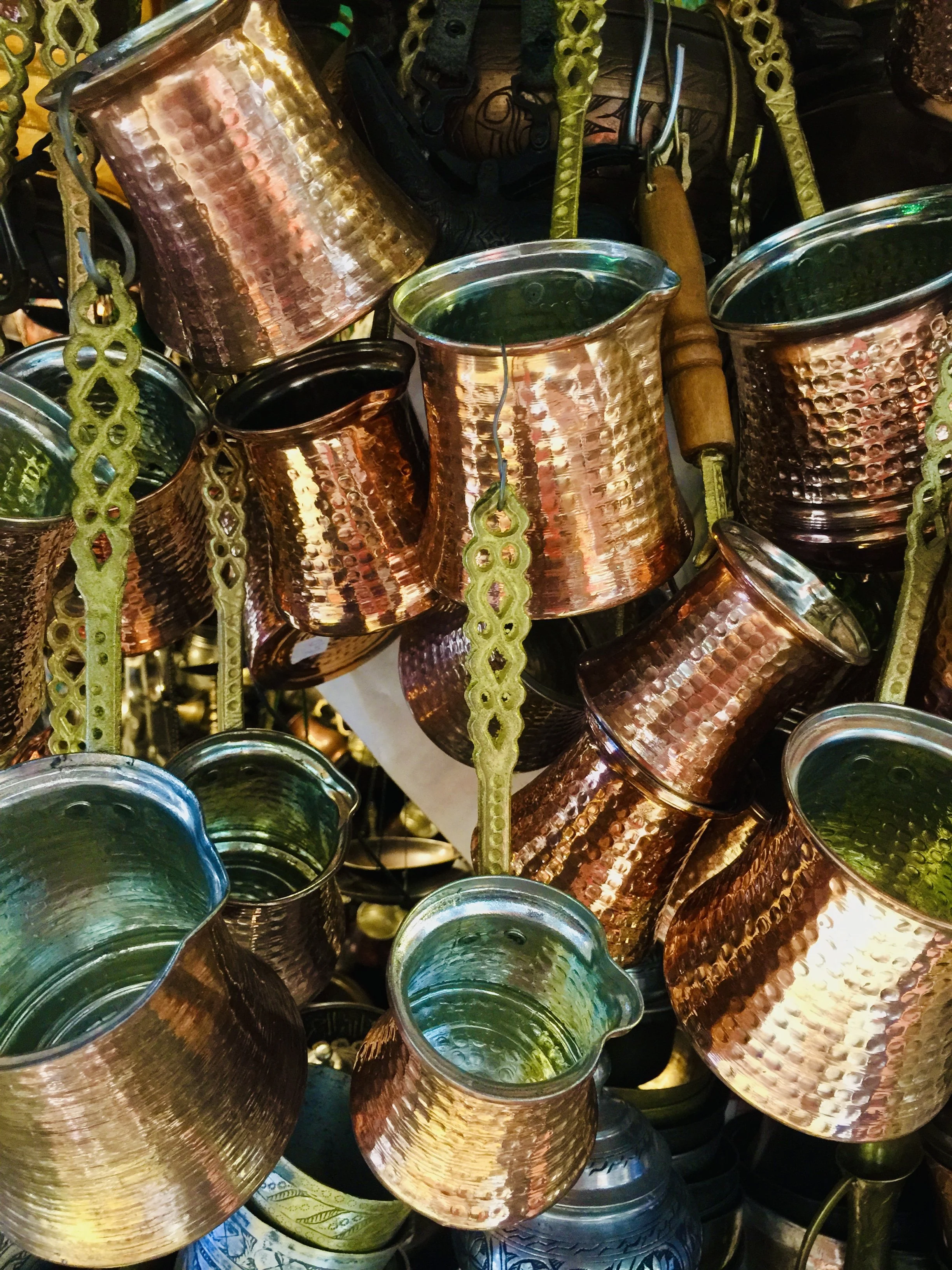
Day fifteen
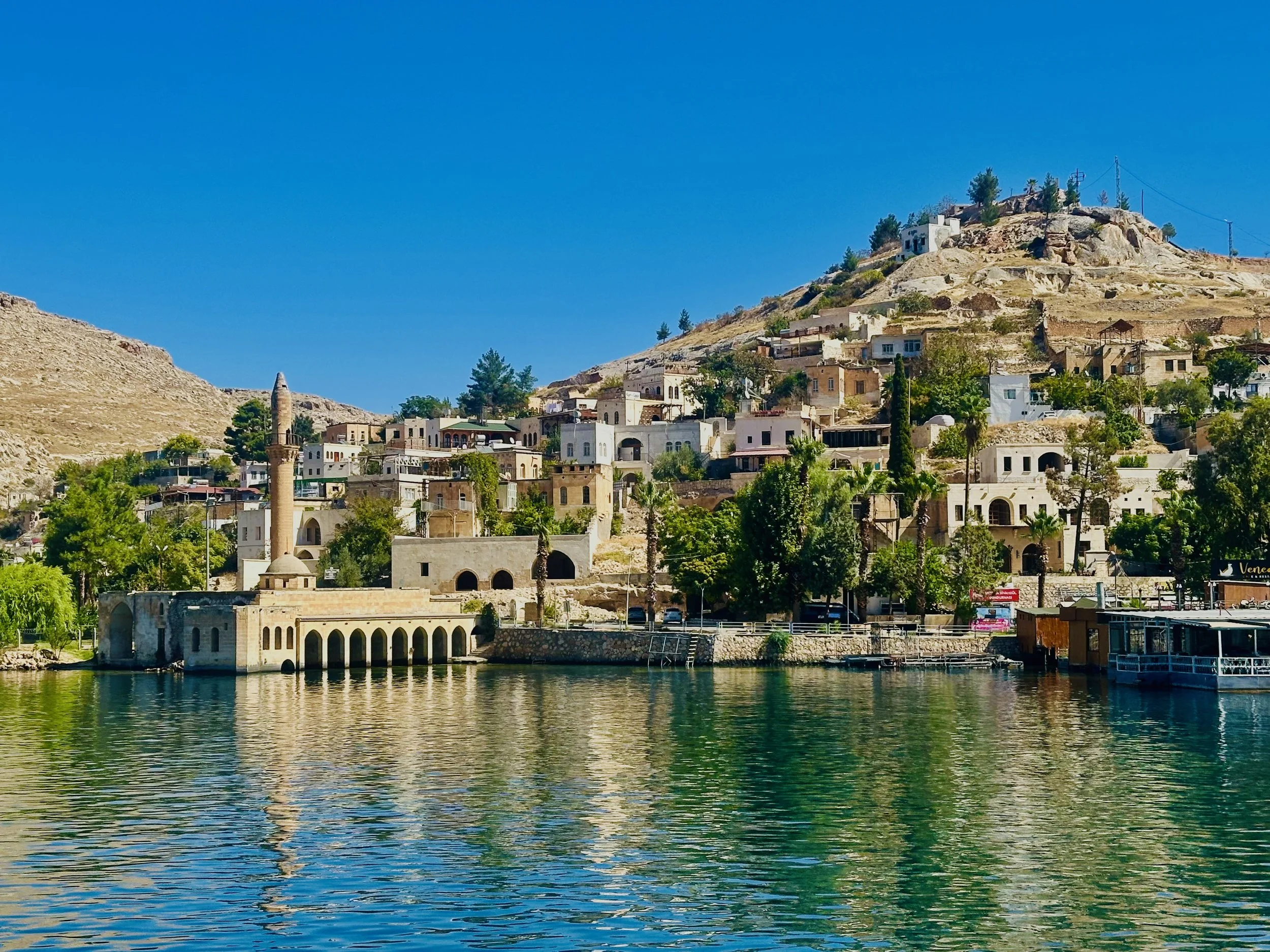
After breakfast, we’ll check out of the hotel and load our bags onto the bus before departing for Halfeti, one of Türkiye’s most atmospheric and quietly beautiful towns. Often referred to as the ‘sunken city’, Halfeti sits along the Euphrates River and is famed for its partially submerged minarets, stone houses and hauntingly serene landscapes. We will drive through groves of pistachios, their season finished, on our way.
Upon arrival, we’ll take a boat trip along the river, gliding past submerged ruins and dramatic cliffs – a peaceful and reflective way to experience the region’s unique history and natural beauty. A fitting farewell to an unforgettable exploration of Türkiye’s landscapes, cultures and cuisines.
Following our time in Halfeti, we’ll continue to Gaziantep Airport, where our journey together comes to an end. You may have booked a flight back to İstanbul, or elsewhere, but you could also return to Gaziantep city to explore further, or travel beyond to the Neolithic archaeological site of Göbeklitepe, said to have been inhabited more than 9000 years ago. I am of course available to work with you on your next steps after our tour finishes.
Accommodation: Depends on where you end your day!
Meals: breakfast, snacks
Day fifteen
After breakfast, we’ll check out of the hotel and load our bags onto the bus before departing for Halfeti, one of Türkiye’s most atmospheric and quietly beautiful towns. Often referred to as the ‘sunken city’, Halfeti sits along the Euphrates River and is famed for its partially submerged minarets, stone houses and hauntingly serene landscapes. We will drive through groves of pistachios, their season finished, on our way.
Upon arrival, we’ll take a boat trip along the river, gliding past submerged ruins and dramatic cliffs – a peaceful and reflective way to experience the region’s unique history and natural beauty. A fitting farewell to an unforgettable exploration of Türkiye’s landscapes, cultures and cuisines.
Following our time in Halfeti, we’ll continue to Gaziantep Airport, where our journey together comes to an end. You may have booked a flight back to İstanbul, or elsewhere, but you could also return to Gaziantep city to explore further, or travel beyond to the Neolithic archaeological site of Göbeklitepe, said to have been inhabited more than 9000 years ago. I am of course available to work with you on your next steps after our tour finishes.
Accommodation: Depends on where you end your day!
Meals: breakfast, snacks
New!